Automation of Sprinkler and Drip Irrigation Systems

Introduction to Automated Irrigation

Automation of sprinkler and drip irrigation systems is a modern, high-efficiency solution for water management across lawns, parks, kitchen gardens, orchards, greenhouses, tunnels, golf courses, and field crops. With automation, water delivery can be scheduled, monitored, and controlled remotely, reducing manual labor while ensuring consistent soil moisture for healthy plant growth.

Automated systems integrate sensors, controllers, valves, fertigation units, and timers, delivering water precisely where and when it is needed. By using automated irrigation, users can maximize water efficiency, reduce wastage, and improve crop yield or turf quality.
Control flow with Smart Solenoid Valves.

How Automated Irrigation Works

Automated sprinkler and drip systems operate by combining controllers, sensors, solenoid valves, timers, and pumps. Soil moisture sensors, rain sensors, or weather-based controllers monitor environmental conditions to optimize water delivery.

  • Drip irrigation systems deliver water directly to the root zone via drip lines, emitters, and micro sprinklers, minimizing evaporation and water loss.
  • Sprinkler systems distribute water uniformly across larger areas such as lawns, parks, and orchards.
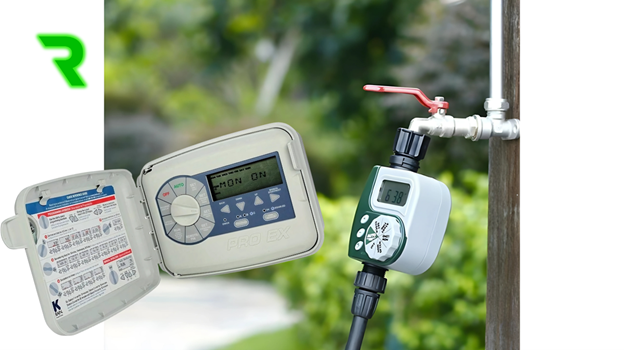
  • Digital irrigation controllers and belt-in-water timers enable precise scheduling for multiple zones, adjusting irrigation duration and frequency automatically.

Advanced systems can be controlled via mobile apps or cloud-based platforms, allowing real-time monitoring, alerts, and remote adjustments. This ensures consistent irrigation even in large farms, golf courses, or multi-zone orchards. Schedule irrigation using Digital Controllers.

Advantages of Sprinkler Irrigation

⦿ Water Efficiency

Automated irrigation ensures water is delivered based on soil and crop needs, reducing wastage by up to 50%.

⦿ Labor Savings

Reduces manual watering, allowing staff to focus on other tasks.

⦿ Uniform Coverage

Ensures lawns, parks, orchards, and tunnels receive consistent water distribution.

⦿ Precision Fertigation

Nutrients can be applied accurately through drip lines or sprinklers, improving crop growth and yield.

⦿ Remote Monitoring and Control

Mobile apps or web platforms allow easy control and adjustment of irrigation schedules.

⦿ Reduced Crop Stress

Maintains consistent soil moisture levels, preventing over- or under-watering.

⦿ Smart Sensor Integration

Soil moisture, rain, and temperature sensors ensure irrigation is adaptive to real-time conditions.

⦿ Cost Savings

Reduces water bills, fertilizer wastage, and labor expenses over time.

Components of Automated Irrigation Systems

⦿ Irrigation Controllers

Controllers act as the brain of the irrigation system. They can be: – Analog water timers (belt in controllers): Simple mechanical timers with adjustable belts to control irrigation duration for each zone. – Digital irrigation controllers: Advanced controllers that allow multiple zones, programmable schedules, sensor integration, and remote monitoring.

⦿ Pumps and Pump Stations

Pumps supply water under the required pressure for drip or sprinkler systems. Solar pumps, diesel pumps, or electric pumps can be integrated into automated setups.

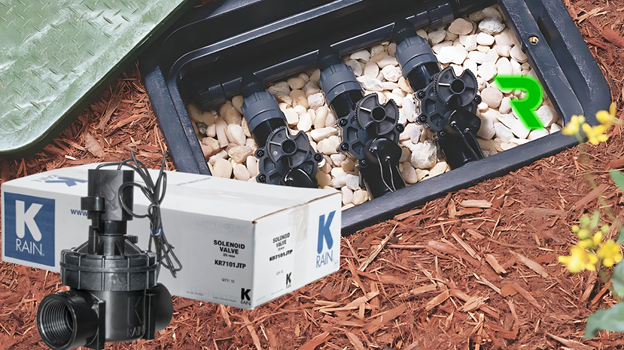
⦿ Solenoid Valves

Electrically operated valves control the water flow to each zone. They respond to the controller or sensor signals to turn irrigation on or off automatically.

⦿ Drip Lines, Emitters, and Micro-Sprinklers

Drip lines deliver water directly to plant roots, minimizing wastage. Micro-sprinklers cover small areas or plants requiring surface wetting, ideal for tunnels and orchards.

⦿ Sprinklers

Automated sprinklers can include pop-up sprinklers for lawns or parks, fixed sprinklers for large open areas, and portable rainguns for temporary irrigation or low-budget applications.

⦿ Fertigation Units

Fertilizers and nutrients are injected into the irrigation system and delivered via drip lines or sprinklers. Automated fertigation ensures precise nutrient dosing for crops, orchards, or greenhouses.

⦿ Sensors

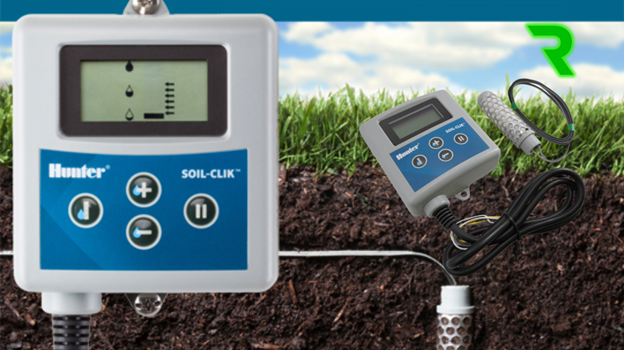
  • Soil moisture sensors: Detect water content in soil and trigger irrigation as needed.
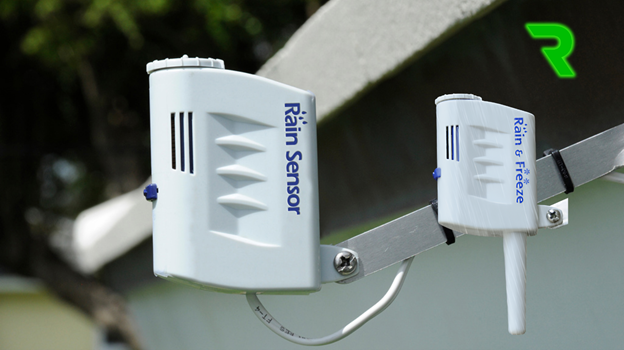
  • Rain sensors: Stop irrigation during rainfall to prevent wastage.
  • Temperature and humidity sensors: Optimize irrigation for tunnels, greenhouses, and sensitive crops.

⦿ Flow Meters and Pressure Gauges

Flow meters monitor water usage and detect leaks. Pressure gauges ensure optimal pressure for uniform irrigation across zones.

Types of Automated Irrigation Systems

  • Automated sprinkler systems: Ideal for lawns, parks, golf courses, orchards, greenhouses, and tunnels. Types include pop-up sprinklers, fixed sprinklers, and micro sprinklers.
  • Automated drip irrigation systems: Best for orchards, kitchen gardens, vineyards, tunnels, and field crops. Types include surface drip, sub-surface drip, and micro irrigation lines.
  • Hybrid systems: Combine sprinklers and drip irrigation for large farms or diverse landscapes to meet different crop and soil needs.

Applications

  • Lawns and parks: Automated sprinklers provide even water distribution and reduce labor costs.
  • Kitchen gardens: Micro drip lines ensure precise watering for vegetables and herbs.
  • Orchards: Drip irrigation delivers water directly to tree roots, saving water and improving fruit quality.
  • Tunnels and greenhouses: Sensors and timers automate irrigation based on soil moisture, temperature, and humidity.
  • Golf courses: Large-scale sprinklers maintain turf quality with remote scheduling and monitoring.
  • Field crops: Hybrid systems with drip and sprinklers increase water efficiency and crop yield.

What Rabail Technologies Offers

Rabail Technologies provides complete solutions for automated sprinkler and drip irrigation systems, including:

  • Consultation and system design for lawns, parks, orchards, greenhouses, tunnels, golf courses, and field crops.
  • Supply of digital irrigation controllers, water timers (beltin), solenoid valves, drip lines, sprinklers, fertigation units, and sensors.
  • Installation, testing, and commissioning for optimum performance.
  • Remote monitoring solutions and mobile app integration.
  • Training and after-sales support for maintenance, upgrades, and fertigation.
  • Integration of smart irrigation technologies for water-saving and productivity enhancement.

Get expert support through our Consultancy Services.

Frequently Asked Questions

  1. What is automated irrigation?
    Automated irrigation uses controllers, sensors, and valves to deliver water without manual intervention, ensuring optimal soil moisture.
  2. How does an automated sprinkler system work?
    Sprinklers distribute water uniformly based on schedules set in controllers, with sensors adjusting for rainfall or soil moisture.
  3. How does an automated drip system work?
    Water is delivered directly to plant roots through drip lines and emitters, controlled automatically for precise irrigation and fertigation.
  4. What are water timers (beltin controllers)?
    Mechanical timers that control irrigation zones using adjustable belts to set watering duration and intervals.
  5. What is a digital irrigation controller?
    An advanced controller that manages multiple zones, schedules, and sensors, often with mobile or web-based monitoring.
  6. Can automation save water?
    Yes, by applying water only when needed and monitoring soil moisture, wastage is minimized.
  7. Can automated irrigation reduce labor costs?
    Yes, manual watering is eliminated, saving time and labor.
  8. How do soil moisture sensors work?
    They measure soil water content and signal controllers to start or stop irrigation.
  9. How do rain sensors work?
    They detect rainfall and stop irrigation to prevent water wastage.
  10. Can I automate irrigation for a kitchen garden?
    Yes, micro drip lines with timers or digital controllers ensure precise watering for vegetables and herbs.
  11. Can automated irrigation be used in orchards?
    Yes, drip lines deliver water directly to tree roots, improving fruit quality and reducing wastage.
  12. Can I automate irrigation for greenhouses and tunnels?
    Yes, sensors and controllers adjust irrigation based on temperature, humidity, and soil moisture.
  13. Can automated irrigation improve crop yield?
    Yes, consistent water delivery reduces stress and improves growth.
  14. Can I control my irrigation system remotely?
    Yes, many digital controllers and smart systems can be monitored and operated via mobile apps.
  15. What is fertigation?
    Injecting fertilizers into the irrigation system for precise nutrient delivery.
  16. Can sprinklers and drip lines both be automated?
    Yes, hybrid systems allow simultaneous automation of sprinklers and drip lines.
  17. What is a solenoid valve?
    An electrically controlled valve that regulates water flow to each irrigation zone.
  18. How do pumps work with automated irrigation?
    Pumps supply water under required pressure for consistent system operation.
  19. Can I integrate fertigation into sprinklers?
    Yes, nutrients can be delivered through sprinkler lines for uniform coverage.
  20. How do flow meters help?
    They monitor water usage, detect leaks, and ensure proper irrigation volumes.
  21. How do pressure gauges help?
    They ensure optimal pressure to prevent clogging or damage to drip emitters and sprinklers.
  22. Can automated irrigation be solar-powered?
    Yes, solar pumps and controllers can provide fully sustainable irrigation solutions.
  23. How do I maintain an automated irrigation system?
    Regularly clean filters, check sensors and valves, inspect drip lines, and service controllers.
  24. How often should controllers be serviced?
    Typically every 6–12 months, depending on water quality and usage.
  25. Can automation prevent overwatering?
    Yes, sensors and timers prevent water wastage by irrigating only when needed.
  26. Can I schedule different zones for different crops?
    Yes, digital controllers allow multiple zones with independent schedules.
  27. Can automated irrigation improve water distribution uniformity?
    Yes, controlled flow and pressure ensure uniform water application across all zones.
  28. Can I expand my automated system in the future?
    Yes, additional zones, valves, and controllers can be added as needed.
  29. How do micro-sprinklers work in automation?
    They spray water over small areas and are controlled automatically based on schedules or sensor data.
  30. Can Rabail Technologies customize systems for golf courses?
    Yes, large-scale sprinkler layouts with controllers and fertigation are designed for turf quality and water efficiency.
  31. Can drip irrigation be automated in vineyards?
    Yes, micro drip lines and fertigation units ensure consistent watering for grapevines.
  32. Can automated irrigation work for small lawns?
    Yes, even small lawns can use micro sprinklers or drip lines with timers.
  33. Can fertigation improve orchard yields?
    Yes, delivering nutrients directly through drip systems enhances fruit growth and quality.
  34. How do digital controllers differ from beltin timers?
    Digital controllers offer multiple zone management, sensor integration, remote access, and advanced scheduling compared to mechanical belt in timers.
  35. Can automated irrigation save fertilizer costs?
    Yes, fertigation delivers precise amounts, reducing fertilizer wastage.
  36. Can I use automated irrigation for urban landscaping?
    Yes, parks, gardens, and roadside plantations can be efficiently managed.
  37. Can I integrate weather-based irrigation?
    Yes, controllers can adjust watering based on weather station data.
  38. How do I prevent clogging in drip lines?
    Use filters, regular flushing, and check emitters periodically.
  39. Can automation help in precision agriculture?
    Yes, combining sensors, fertigation, and digital controllers enables precision farming.
  40. How does Rabail Technologies support maintenance?
    We provide training, spare parts, and service contracts for all automated systems.
  41. Can automated systems be used for tunnels?
    Yes, micro drip and sprinklers are ideal for controlled irrigation in tunnels.
  42. Can I monitor multiple zones on my phone?
    Yes, modern digital controllers provide mobile monitoring for multiple zones.
  43. How does fertigation work in drip systems?
    Fertilizer is injected into the drip line and delivered directly to the root zone.
  44. How do pop-up sprinklers work in automation?
    They rise during watering and retract afterward, controlled automatically by the system.
  45. Can automated irrigation improve plant health?
    Yes, consistent water and nutrient supply reduces stress and promotes growth.
  46. Can hybrid systems combine drip and sprinklers?
    Yes, for diverse landscapes or mixed crops, hybrid systems provide maximum efficiency.
  47. How is water distribution measured in automated systems?
    Flow meters and pressure gauges ensure each zone receives the required water volume.
  48. How does Rabail Technologies design irrigation systems?
    By analyzing crop type, soil, water source, area size, and client requirements for optimized performance.
  49. Can automated systems detect leaks?
    Yes, flow sensors and smart controllers can alert users to leaks or irregularities.
  50. How do I start automation for my farm or garden?
    Consultation with experts like Rabail Technologies will help design, install, and commission a fully automated system tailored to your needs.

Get in Touch

Upgrade your irrigation systems today with Rabail Technologies and experience efficient, smart, and automated water management. Contact us now for a free consultation and customized system design tailored to your lawns, parks, orchards, greenhouses, tunnels, golf courses, or field crops. Ensure healthier crops, lush green lawns, and optimal water savings with our cutting-edge solutions.