

At Rabail Technologies, we bring you reliable and efficient micro sprinklers and micro irrigation systems designed to make watering crops, orchards, greenhouses, and home gardens simple and sustainable. Our micro sprinkler systems are trusted by farmers, greenhouse growers, and kitchen gardeners alike for precise water delivery and uniform distribution.
Efficient Micro Irrigation | Rabail Technologies
Micro Sprinkler Systems for Smart Irrigation
Introduction to Micro Sprinklers
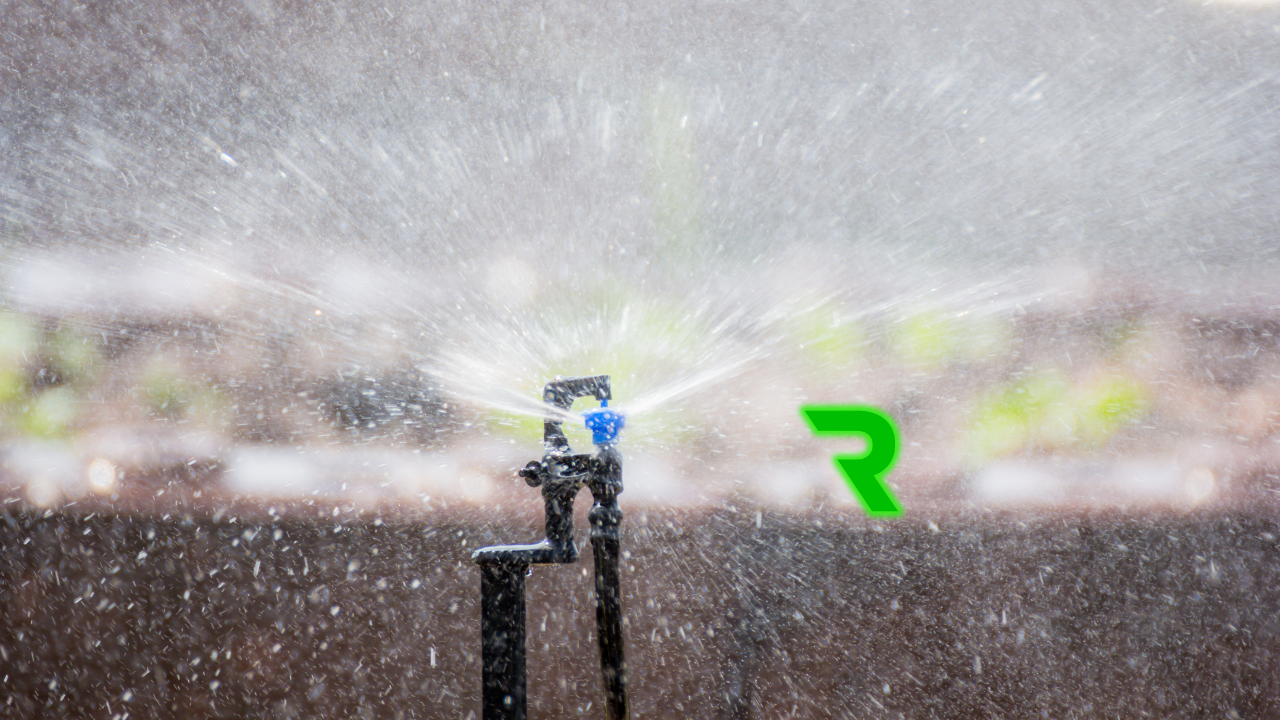
Micro sprinklers are a smart solution for modern farming and gardening. They deliver a gentle spray close to the roots, minimizing water waste and maximizing soil moisture. Whether it’s a micro sprinkler for garden beds, a micro sprinkler for orchards, or a micro sprinkler for greenhouse crops, this technology supports healthy plants with less effort.
Our drip and micro sprinkler systems work together for highly efficient, low-flow irrigation. From mini sprinklers for small spaces to micro spray irrigation for large tunnels and nurseries, Rabail Tech has you covered.
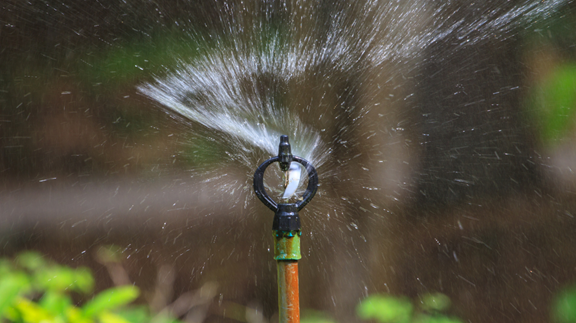
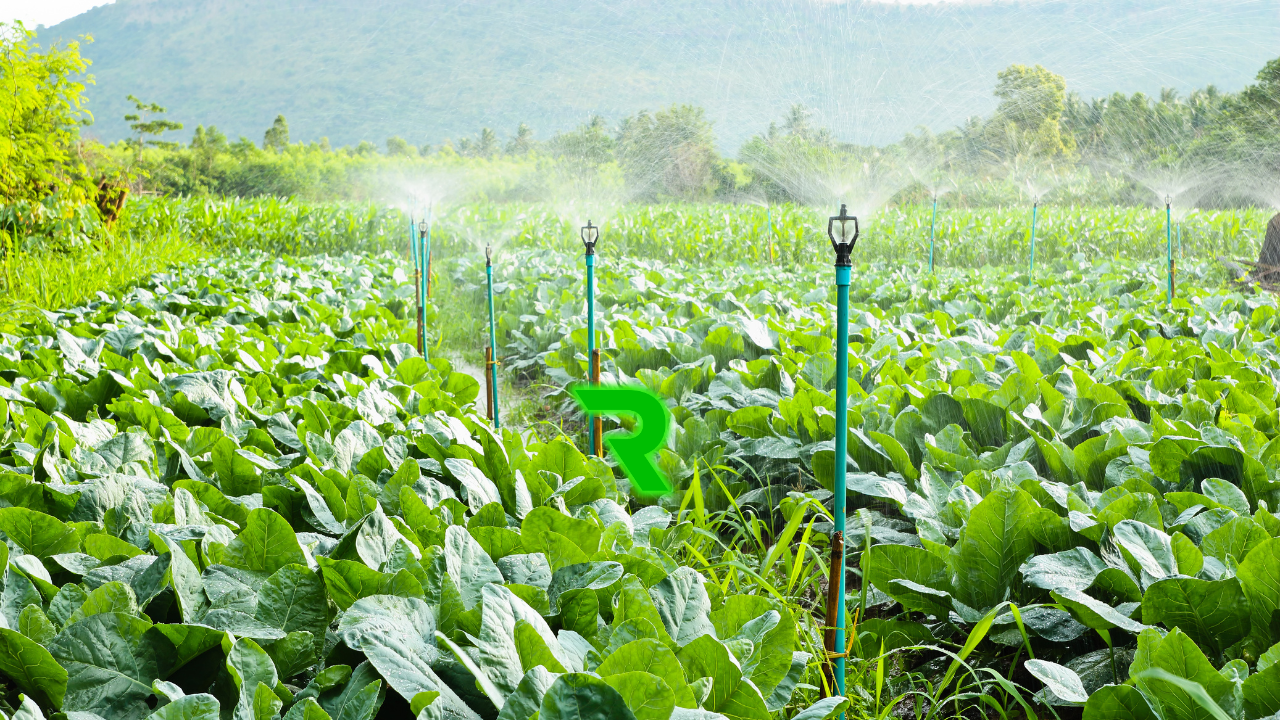
Where Can Micro Sprinklers Be Used?
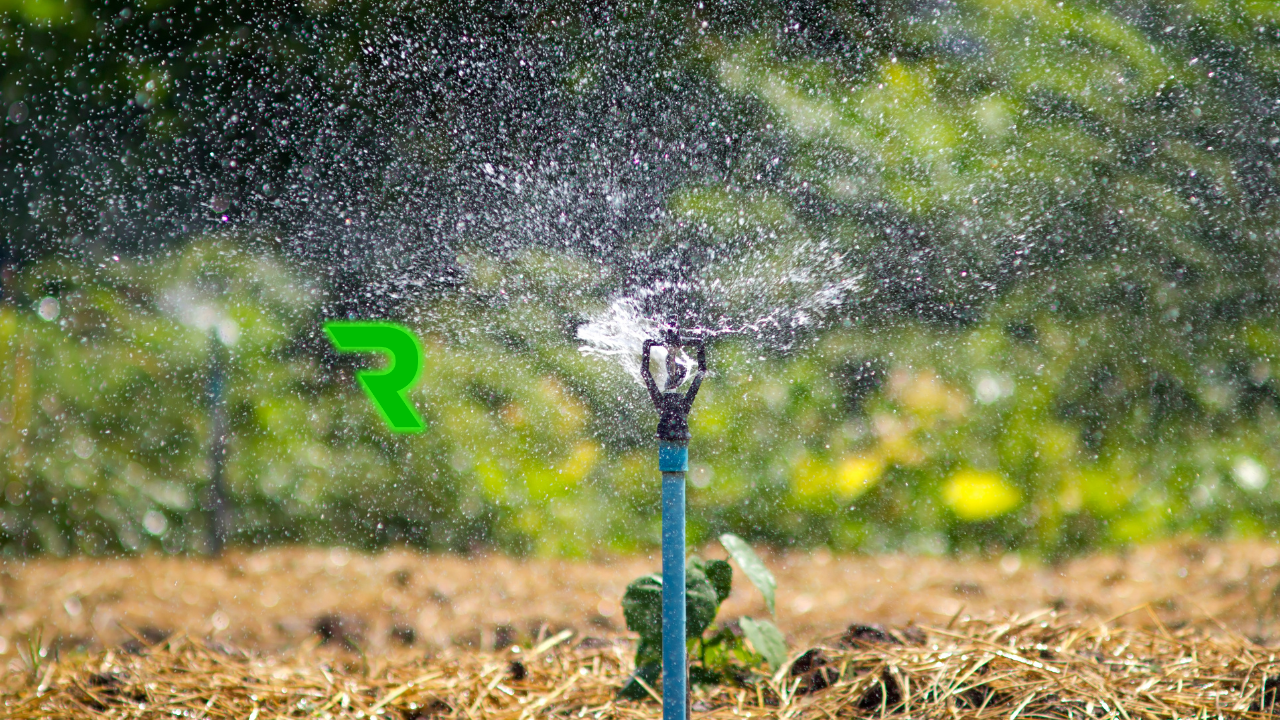
Agricultural & Horticultural Applications
Our micro sprinkler systems are ideal for:
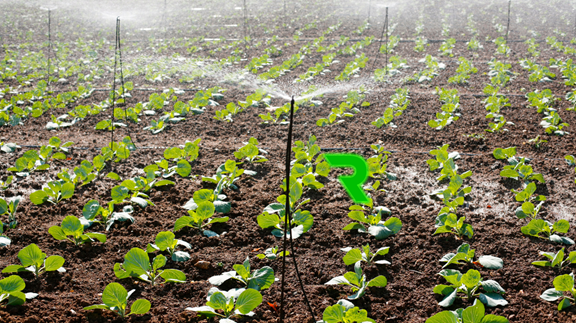
- Vegetable cultivation: The best micro sprinklers for vegetable gardens help deliver targeted water without harming delicate crops.
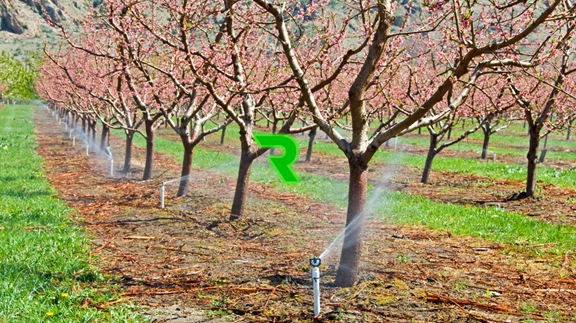
- Orchards: Use micro sprinklers for orchards, under-tree irrigation, or micro sprinklers for fruit trees to maintain optimal soil moisture.
- Tunnels & greenhouses: Micro sprinkler irrigation for greenhouses and micro sprinklers for tunnel farming help regulate humidity and keep crops healthy year-round.
- Nurseries & flower beds: Keep delicate plants thriving with micro sprinkler systems for nurseries and micro sprinklers for flower beds.
- Kitchen gardens & home use: Install micro sprinklers for kitchen gardening or micro sprinklers for home gardening for easy backyard watering.
- Landscaping & lawns: Our low-flow micro sprinklers for landscaping and adjustable micro sprinklers for lawns make gardens greener with less water.
- Livestock & dairy farms: Micro sprinkler systems can be used for dust control and cooling around dairy farming, goat farming, and poultry farming.
Whether manual or automated, our systems suit every scale — from small farmers using micro irrigation systems to large growers installing a drip and micro sprinkler system for farms.
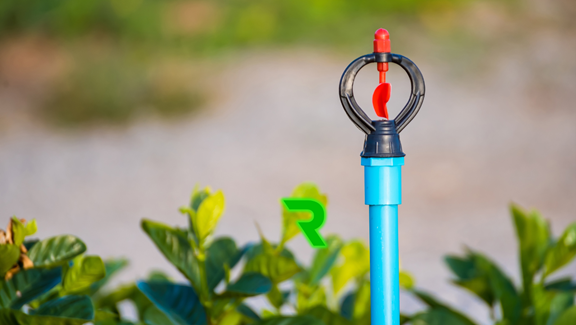
Advantages of Micro Sprinklers
Rabail Technologies’ micro sprinklers come with multiple benefits:
- Water Efficiency: Reduce waste with low-flow sprinklers, energy-saving micro sprinkler systems, and eco-friendly micro irrigation systems.
- Cost Savings: Enjoy cost-effective micro sprinkler irrigation that cuts utility bills.
- Better Coverage: Achieve uniform water distribution for healthier crops and lawns.
- Higher Yields: Experience efficient irrigation with micro sprinklers that improve soil moisture and support higher crop yields.
- Flexibility: Our adjustable micro sprinklers can be tailored for different plants and layouts.
- Sustainability: How micro sprinklers save water makes them perfect for regions where conserving water matters most.
Growers trust micro sprinklers for their proven ability to reduce water waste, improve humidity, and deliver precise irrigation where it’s needed most.
Why Choose Rabail Technologies for Micro Sprinklers?
Choosing Rabail Technologies means partnering with experts who understand the needs of Pakistani growers. Here’s what sets us apart:
- Tailored Solutions: From the best micro sprinklers for kitchen gardens to large-scale micro sprinkler systems for orchards, we design what works best for you.
- Proven Expertise: We guide you through setup — including how to install micro sprinklers for crops — and advise on why to choose micro sprinklers over drip or micro sprinklers vs drip irrigation benefits.
- Reliable Products: We supply durable, adjustable micro sprinklers, portable low-flow sprinklers, and complete micro irrigation systems built for long-term use.
- Local Support: We understand the climate and challenges, helping small farmers and large operations alike maximize water efficiency and crop health.
With Rabail Technologies, you get a trusted partner dedicated to the best water-saving irrigation for gardens, orchards, nurseries, and farms.

Ready to Improve Your Irrigation? Contact Rabail Technologies today to upgrade to an efficient micro sprinkler system for your garden, farm, or greenhouse — and see the difference smart irrigation can make
Frequently Asked Questions
- What are micro sprinklers?
Micro sprinklers are low-flow irrigation devices that deliver water in fine droplets over a small area. They are ideal for orchards, vegetable fields, nurseries, and landscaping. - How do micro sprinklers differ from drip irrigation?
Micro sprinklers distribute water over a larger surface area than drip emitters, providing coverage for trees, shrubs, and crops, while drip systems deliver water directly to the root zone. - What are the benefits of using micro sprinklers?
Benefits include uniform water distribution, reduced water wastage, lower labor costs, improved crop yield, and prevention of soil erosion. - Where are micro sprinklers commonly used?
Micro sprinklers are used in orchards, vineyards, nurseries, greenhouses, vegetable farms, landscaping, and gardens. - How do micro sprinklers work?
Micro sprinklers operate using low-pressure pumps to spray water in circular or semi-circular patterns, ensuring uniform coverage for plants. - What types of micro sprinklers are available?
Types include fixed spray micro sprinklers, adjustable flow micro sprinklers, rotating micro sprinklers, pressure-compensating micro sprinklers, and multi-outlet micro sprinklers. - Can micro sprinklers be used for fertigation?
Yes, micro sprinklers can be integrated with fertilizer injection systems, delivering nutrients evenly to plants. - How is water pressure managed in micro sprinkler systems?
Using pressure regulators, filters, and pump selection, the system maintains optimal flow for uniform distribution. - Are micro sprinklers suitable for sandy or clay soils?
Yes, they can be adjusted to control flow rate and distribution pattern according to soil type to avoid runoff or uneven watering. - How are micro sprinklers installed?
Installation involves connecting main and lateral pipes, filters, pumps, and micro sprinklers, spaced according to plant layout and water requirements. - Can micro sprinklers be automated?
Yes, timers, digital controllers, soil moisture sensors, and rain sensors can automate micro sprinkler irrigation for precise scheduling. - How much water does a micro sprinkler use?
Flow rates vary from 10 to 100 liters per hour, depending on the sprinkler type, pressure, and crop requirements. - Can micro sprinklers prevent waterlogging?
Yes, proper spacing, flow regulation, and timing prevent water accumulation and maintain optimal soil moisture. - How do micro sprinklers benefit fruit orchards?
Micro sprinklers provide uniform irrigation, reduce water stress, improve fruit quality, and support fertigation for nutrient management. - Can micro sprinklers be used in greenhouses?
Yes, they maintain humidity, reduce leaf stress, and improve crop growth in greenhouses and tunnels. - How do micro sprinklers help in nurseries?
They deliver gentle irrigation, prevent soil erosion, and maintain consistent moisture for seedlings and saplings. - What maintenance is required for micro sprinklers?
Maintenance includes cleaning nozzles, checking filters, inspecting lateral pipes, and monitoring pressure to prevent clogging. - Are micro sprinklers energy-efficient?
Yes, low-flow micro sprinklers require low-pressure pumps, reducing electricity and fuel costs compared to high-flow systems. - How do micro sprinklers improve crop yield?
By maintaining uniform soil moisture and nutrient delivery, micro sprinklers support healthier plant growth and higher yield. - Can micro sprinklers be used for vegetables?
Yes, micro sprinklers provide even coverage for tomatoes, peppers, cucumbers, leafy greens, and other vegetables. - How do micro sprinklers prevent plant stress?
They maintain consistent moisture levels, reducing heat and drought stress in crops, orchards, and nurseries. - Are micro sprinklers suitable for sloped land?
Yes, using pressure-compensating sprinklers and proper lateral design, micro sprinklers ensure uniform irrigation on uneven terrain. - How do micro sprinklers help in water conservation?
By delivering water directly and uniformly, micro sprinklers reduce wastage compared to surface flooding or traditional sprinklers. - Can micro sprinklers be used in urban landscaping?
A24: Yes, they are ideal for parks, lawns, golf courses, road medians, and garden landscaping, providing controlled irrigation. - How often should micro sprinklers operate?
Frequency depends on soil type, crop water requirements, season, and climate, usually several times a day in hot regions. - Can micro sprinklers be integrated with solar pumps?
Yes, solar pumps can operate micro sprinklers efficiently, especially in remote areas with limited electricity. - What is the ideal spacing for micro sprinklers?
Spacing varies based on sprinkler type and crop but is typically 1–3 meters for vegetables and 3–5 meters for orchards. - How do micro sprinklers help in fertigation management?
They evenly distribute water-soluble fertilizers, ensuring nutrients reach all plants and improving crop health. - Can micro sprinklers be used in tunnels or polyhouses?
A29: Yes, they maintain humidity, prevent leaf stress, and enhance plant growth in tunnels and shade structures. - Are micro sprinklers safe for seedlings?
Yes, low-pressure and gentle droplet delivery prevents soil erosion, leaf damage, and transplant shock. - How do micro sprinklers handle hard water?
Using filters and periodic flushing, micro sprinklers can operate effectively even with water containing sediments or minerals. - Can micro sprinklers be used in goat or poultry farm landscapes?
Yes, they can maintain green spaces, shade areas, and cooling zones around animal housing. - How do micro sprinklers prevent soil erosion?
Fine droplets reduce surface runoff and soil displacement, especially on slopes and nurseries. - Can micro sprinklers be adjusted for flow rate?
Yes, adjustable micro sprinklers allow customization of water volume and spray pattern according to plant needs. - How do micro sprinklers improve plant growth uniformity?
By maintaining consistent moisture and nutrient levels across the field, micro sprinklers ensure uniform crop growth. - Can micro sprinklers be used with integrated pest management?
Yes, some systems can disperse pesticides or fungicides in fine mist for effective coverage. - Are micro sprinklers compatible with drip irrigation?
Yes, micro sprinklers can complement drip systems, providing canopy coverage while drip supplies root zone water. - How is water distribution measured in micro sprinkler systems?
Using flow meters, catch cans, and pressure gauges, farmers can monitor and adjust uniformity and flow. - Can micro sprinklers operate in high-temperature areas?
Yes, they reduce heat stress in crops, maintaining soil and plant temperature within optimal ranges. - How do micro sprinklers reduce labor costs?
Automation with timers, sensors, and fertigation units minimizes manual watering and fertilization. - What are the components of a micro sprinkler system?
Components include pumps, main and lateral pipes, filters, pressure regulators, nozzles, and sprinklers. - How do micro sprinklers support orchard irrigation?
They ensure even root zone coverage, prevent water stress, and can deliver nutrients via fertigation. - Are micro sprinklers suitable for small farms?
Yes, they are ideal for kitchen gardens, small orchards, and nurseries, providing efficient irrigation with minimal water. - Can micro sprinklers reduce salinity issues?
Yes, by providing frequent, light irrigation, they prevent salt accumulation on the soil surface. - How do micro sprinklers affect crop yield in vegetable farms?
Consistent moisture and fertigation improve vegetable growth, quality, and harvest quantity. - Can micro sprinklers be used in terrace gardens?
Yes, lightweight micro sprinklers are ideal for urban terrace gardens, pots, and container plants. - How do micro sprinklers reduce disease risk?
By delivering light mist instead of heavy water, they prevent leaf wetness and fungal infections. - Can micro sprinklers be used in polyhouses with fans?
Yes, integration with ventilation and cooling systems ensures optimal humidity and temperature for plants. - How do micro sprinklers benefit nursery seedlings?
They provide gentle irrigation, uniform water application, and prevent seedling stress. - How do I select the right micro sprinkler system?
Consider farm size, crop type, water source, pump capacity, pressure, soil type, and fertigation need for selecting the optimal system. - Can micro sprinklers be installed for fruit trees?
Yes, they are ideal for citrus, mango, guava, apple, and other fruit orchards, providing uniform root irrigation. - Are micro sprinklers environmentally friendly?
Yes, they reduce water wastage, energy consumption, and runoff, making irrigation more sustainable.