

Clean and safe drinking water is essential for a healthy lifestyle. Unfortunately, most water sources in Pakistan contain contaminants like bacteria, viruses, heavy metals, pesticides, chlorine, and dissolved salts. These lead to serious waterborne diseases such as cholera, typhoid fever, hepatitis A & E, dysentery, gastroenteritis, and giardiasis. RO water filters (reverse osmosis water filters) help eliminate these contaminants and provide pure drinking water. They also improve the taste and odor of water while ensuring a healthy mineral balance.
RO Water Filters – Pure, Safe, and Healthy Drinking Water
Why We Need RO Filters in Our Daily Life
Technology Behind RO Filters
RO filters (reverse osmosis systems) work on the principle of semi-permeable membranes. Water is forced under pressure through the RO membrane, removing dissolved salts, bacteria, viruses, and harmful chemicals. Advanced RO water purifiers include pre-filters (PP filter, CTO filter, GAC filter) and post-filters (T33 filter, alkaline filter, nano silver filter, mineral water filter) that enhance purification, improve taste, balance pH, and add essential minerals.
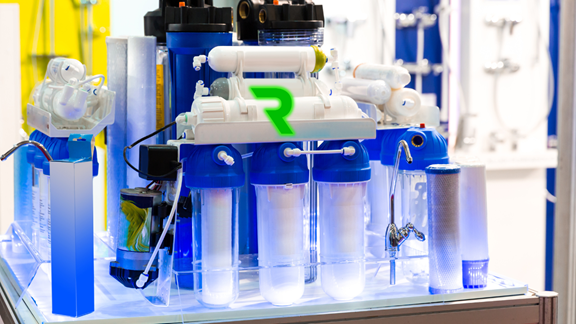
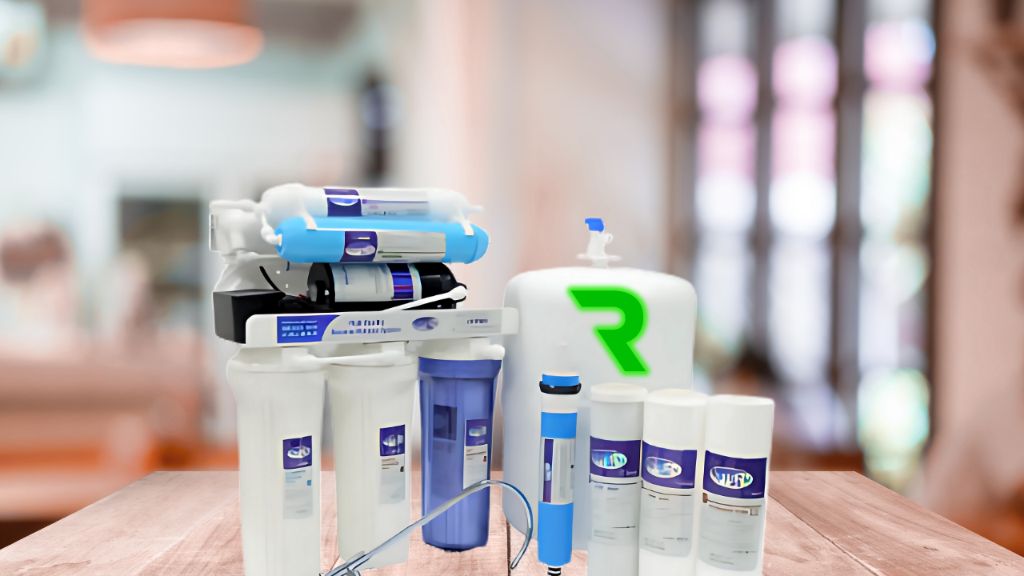
Solutions Available in RO Water Filters
Rabail Technologies offers a wide range of RO water purifier solutions in Pakistan to meet household, office, and industrial needs. These can be Combined with Pre-filters like Sand & Disc Filters.
⦿ 5 Stage RO Water Filter
Includes PP filter, GAC filter, CTO filter, RO membrane, and T33 filter for clean and safe drinking water.
⦿ 6 Stage RO Water Filter
Adds a mineral cartridge to restore healthy minerals and improve taste of pure water.
⦿ 7 Stage RO Water Filter
Includes an alkaline filter to balance pH levels, making water healthier and better for digestion.
⦿ 8 Stage RO Water Filter
Includes a nano silver filter that provides antibacterial protection, ensuring safe and hygienic drinking water.
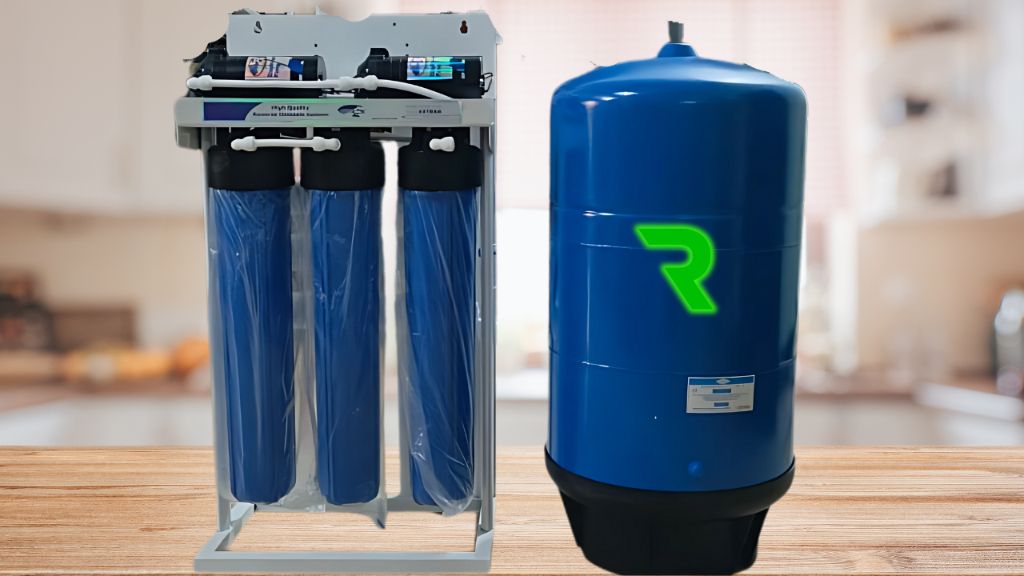
Parts and Components of RO Water Filters
Every RO water purifier consists of essential parts and components that ensure effective water purification:
⦿ PP Filter (Polypropylene Filter)
Removes dirt, rust, sand, and larger particles from water. First stage of filtration, protecting other filters.
⦿ GAC Filter (Granular Activated Carbon)
Removes chlorine, organic chemicals, and unpleasant odors. Improves water taste and prevents damage to RO membrane.
⦿ CTO Filter (Chlorine, Taste, Odor)
Blocks residual chlorine, chemicals, and improves taste. Protects RO membrane and enhances overall purification.
⦿ RO Membrane
The core of reverse osmosis systems. Removes dissolved salts, heavy metals, fluoride, bacteria, and viruses.
⦿ T33 Filter (Post Carbon Filter)
Polishes water, enhances taste, and ensures fresh drinking water after RO filtration.
⦿ Alkaline Filter
Balances water pH, making it healthier for the human body and improving digestion and metabolism.
⦿ Nano Silver Filter
Provides antibacterial properties, kills harmful microorganisms, and ensures safe drinking water.
⦿ Mineral Water Filter
Adds essential minerals like calcium and magnesium, giving water a refreshing taste and health benefits.
⦿ Pump
Ensures proper water pressure for efficient RO filtration, especially in areas with low water pressure.
⦿ Low Pressure Switch
Protects the pump by shutting it off in case of insufficient water supply.
⦿ High Pressure Switch
Stops the pump automatically when the storage tank is full, preventing overflow.
⦿ Pressure Tank
Stores purified water and provides a steady supply on demand.
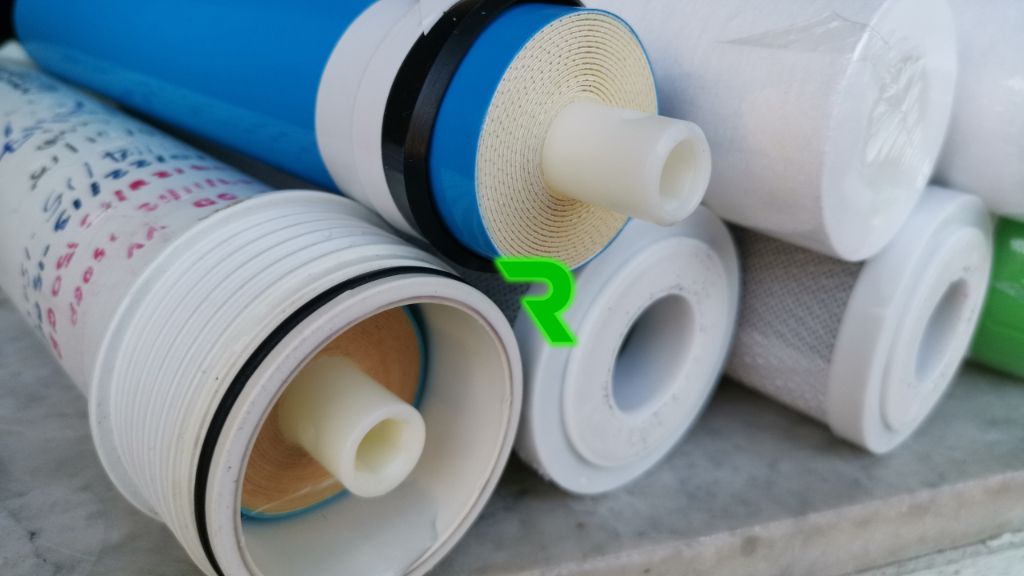
Advantages of RO Water Filters
RO water filters provide several benefits including removal of harmful contaminants, elimination of bad taste and odor, prevention of waterborne diseases, and supply of fresh, mineral-balanced drinking water. They are suitable for households, offices, restaurants, and industries.
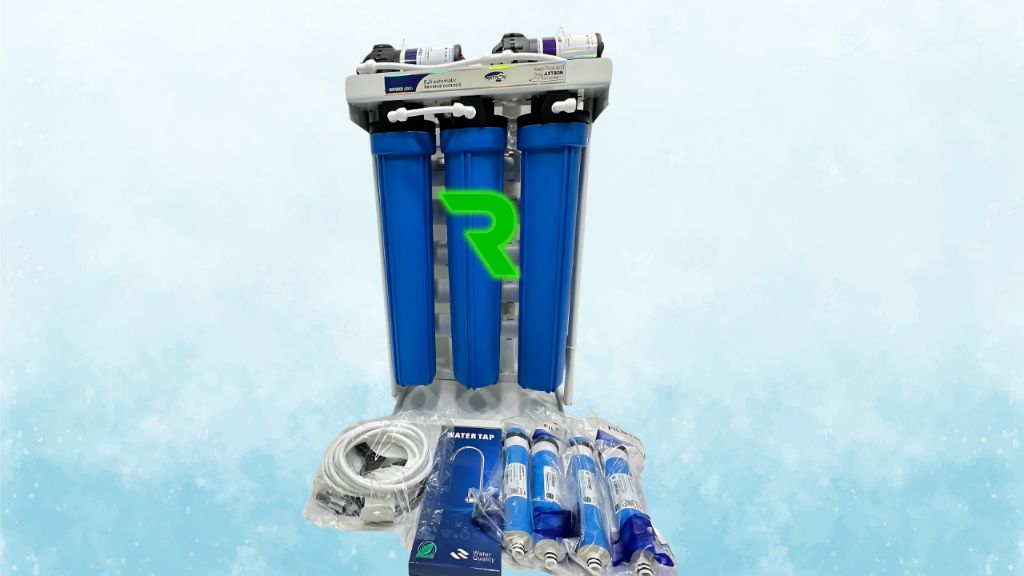
Why Choose Rabail Technologies for RO Filters
Rabail Technologies is a trusted name in water purification solutions across Pakistan, we provide the best RO water filters, from under sink reverse osmosis systems to industrial reverse osmosis water filter systems. Our products ensure pure, safe, and healthy water for your family, employees, and customers. We also provide after-sales services, replacement cartridges, and maintenance support. Contact us for Installation & After-Sales Support.
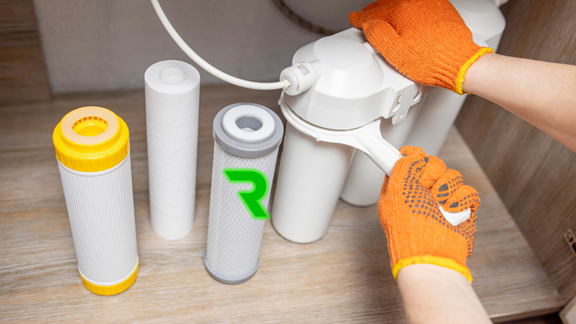
Impact of RO Water Filters on Daily Life
Installing a reverse osmosis water purifier can protect your family from waterborne diseases, improve overall health, and enhance the taste of drinking water. By choosing RO systems, you contribute to a healthier lifestyle and better well-being.
FAQs
- What is an RO water filter?
An RO water filter removes dissolved salts, impurities, and harmful contaminants from water using a semi-permeable membrane, making it safe for drinking and cooking. - How does an RO water filter work?
RO filtration forces water through a semi-permeable membrane, separating clean water from dissolved salts, chemicals, and impurities. - What are the main types of RO water filters?
Common types include under-sink RO systems, countertop RO filters, commercial RO units, and portable RO systems. - Can RO filters remove bacteria and viruses?
Yes, RO membranes remove bacteria, viruses, and other pathogens along with dissolved salts and impurities. - What is the installation process for an RO water filter?
Installation involves connecting the RO unit to a water source, fitting the membrane and filters, and connecting the purified water line to a faucet or storage tank. - Can I install an RO water filter myself?
Basic under-sink units can be installed DIY, but commercial or high-capacity RO systems require professional installation for proper operation. - How long does an RO membrane last?
RO membranes typically last 2–3 years depending on water quality and maintenance. - How often should pre-filters be replaced?
Pre-filters should be replaced every 6–12 months to prevent clogging and maintain membrane efficiency. - How often should post-filters be replaced?
Post-filters like carbon or polishing filters are usually replaced every 12 months to ensure taste and odor improvement. - What is the purpose of a sediment filter in an RO system?
Sediment filters remove sand, silt, and suspended particles to protect the RO membrane from clogging. - What is the purpose of a carbon filter in an RO system?
Carbon filters remove chlorine, odor, and organic compounds, preventing damage to the RO membrane. - What is a TDS controller in an RO system?
A TDS controller regulates the total dissolved solids in the filtered water, ensuring essential minerals are maintained. - How do I know if my RO system is working?
Check water flow, taste, and TDS meter readings; sudden drops in performance may indicate a clogged membrane or filters. - Can RO systems be used for high-salinity water?
Yes, RO systems can purify brackish or high TDS water, but the membrane and system must be rated for the specific water quality. - Can RO water be used for drinking and cooking?
Yes, RO water is safe for drinking, cooking, and even making beverages like tea and coffee. - What is the operating pressure for a domestic RO system?
Domestic RO systems typically operate at 40–80 psi; booster pumps may be used for low-pressure supply. - How much water does an RO system waste?
RO systems generally waste 3–4 liters of water for every liter of purified water, but zero-waste or low-waste models are available. - Can RO water be stored in tanks?
Yes, RO water can be stored in tanks, but it should be used within a few days to avoid bacterial growth. - Can I use RO water for plants?
Yes, RO water is free of salts and contaminants, making it suitable for sensitive plants or hydroponics. - What are the common problems in RO systems?
Common issues include low water flow, membrane fouling, high TDS, and clogged pre-filters or post-filters. - How do I maintain my RO system?
Regularly replace filters, sanitize the system, monitor water quality, and check membrane condition. - What is a booster pump in an RO system?
A booster pump increases water pressure to ensure optimal membrane performance in low-pressure water supply areas. - What is a storage tank in an RO system?
A storage tank stores purified water so that it is available on demand, maintaining consistent water flow at the faucet. - Can I install an RO system on borewell water?
Yes, with proper pre-treatment for sediment, iron, and TDS adjustment, RO systems can purify borewell water. - Can RO water remove fluoride?
Yes, RO membranes are effective in removing fluoride, along with other dissolved salts and contaminants. - Can RO water remove nitrates?
Yes, RO systems remove nitrates and nitrites, making water safe for drinking. - How do I sanitize my RO system?
Use food-grade sanitizing solutions or chlorine tablets, following manufacturer instructions to clean the storage tank and piping. - How long does it take to get purified water from RO?
Domestic RO systems usually produce 10–15 liters per hour, while commercial systems have higher capacity. - Can RO systems remove heavy metals?
Yes, RO membranes remove lead, arsenic, mercury, and other heavy metals. - What is the difference between under-sink and countertop RO systems?
Under-sink RO systems are installed below the sink and connected to faucets, while countertop units are portable and do not require plumbing modifications. - Can RO water be used for aquariums?
Yes, RO water is pure and safe for aquariums, but essential minerals may need to be added back. - Can RO systems remove bacteria without UV?
RO membranes remove most bacteria, but UV systems can be added for complete disinfection. - Can I connect RO water to a fridge or water dispenser?
Yes, RO water can be piped to refrigerators or dispensers for convenient drinking water. - Can RO systems remove hardness?
RO reduces temporary and permanent hardness, softening water and preventing scale build-up. - Can RO membranes be repaired?
Membranes cannot be repaired; they should be replaced when clogged or degraded. - Can I filter water with high iron using RO?
Pre-treatment like iron filters or sediment filters is recommended to protect the RO membrane from fouling. - What is zero-water-waste RO?
Zero-water-waste RO systems recycle reject water, reducing water wastage during purification. - Can RO systems be used for saline water?
Yes, specially designed RO membranes can desalinate brackish water for drinking or irrigation. - Can RO water be acidic?
RO water may have slightly lower pH; TDS controllers or remineralization filters can adjust pH for taste and health. - How do I check if my RO system is working efficiently?
Monitor TDS levels, water flow rate, and taste regularly; sudden changes indicate maintenance is needed. - Can RO systems be used in areas with low water pressure?
Yes, booster pumps or low-pressure RO units ensure proper filtration in low-pressure areas. - Can RO systems be installed for commercial purposes?
Yes, high-capacity RO systems are designed for restaurants, hotels, hospitals, and industries. - How do I replace the RO membrane?
Follow manufacturer instructions: shut off water supply, remove housing, take out old membrane, and insert a new one. - How often should an RO system be serviced?
Typically, every 6–12 months, depending on water quality and usage. - Can RO water remove pesticides?
Yes, RO membranes remove many pesticides, herbicides, and chemical residues. - Can I use RO water for cooking rice and vegetables?
Yes, RO water is free of contaminants and improves taste. - Can RO systems remove odor and chlorine?
Carbon pre-filters remove chlorine, taste, and odor, protecting the RO membrane. - Can RO water be stored long-term?
Water should be stored in sanitized tanks and used within a few days to prevent bacterial growth. - Can RO systems be installed in series with UV filters?
Yes, UV filters can be added after RO to provide additional disinfection. - How do I choose the right RO system for my home or farm?
Consider water source, TDS level, flow rate, storage needs, space, and whether additional purification like UV or remineralization is required.