

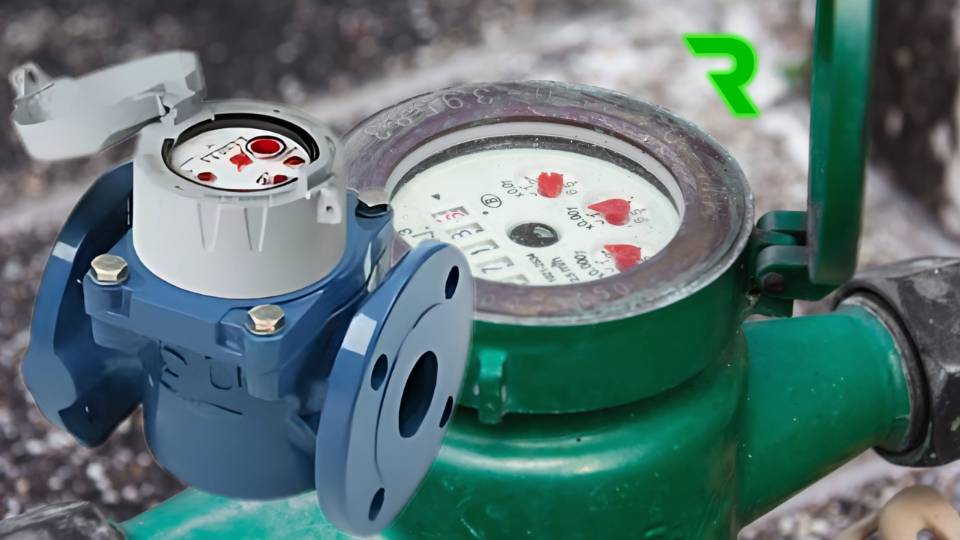
A water meter or flow meter is a device used to measure the volume and rate of water flowing through a pipeline. These devices are essential in residential, industrial, and agricultural water management, particularly in drip irrigation and sprinkler systems. By accurately monitoring water usage, these meters help in water conservation, efficient irrigation management, and cost savings.
Water Meter and Flow Meter for Irrigation Systems
What is a Water Meter and Flow Meter?
Types of Water Meters and Flow Meters
⦿ Mechanical Water Meters
Mechanical meters, such as positive displacement meters and turbine flow meters, measure water flow using moving parts that rotate or displace water volume. These meters are durable and commonly used in residential water systems and small irrigation setups.
⦿ Electromagnetic Flow Meters
Electromagnetic flow meters use the principle of Faraday’s Law of Electromagnetic Induction to measure water flow without any moving parts. These meters are highly accurate, low-maintenance, and ideal for large-scale irrigation systems and industrial water management.
⦿ Ultrasonic Flow Meters
Ultrasonic flow meters measure water flow by sending sound waves through the water. The time it takes for the waves to travel is used to calculate flow rate. These meters are non-intrusive, require minimal maintenance, and are suitable for smart irrigation solutions where precise monitoring is critical.
⦿ Digital and Smart Water Meters
Digital water meters or smart water meters provide real-time monitoring and can connect to IoT systems for remote data collection. They are widely used in modern drip irrigation systems, sprinkler irrigation networks, and water conservation projects.
Technology and Working Principle
- Mechanical meters: Measure water flow via rotating gears or displacement chambers. The rotation is converted into a readable volume.
- Electromagnetic meters: Detect the voltage induced by water flow through a magnetic field. This voltage is proportional to the flow rate.
- Ultrasonic meters: Measure the time difference of sound waves traveling with and against the water flow to calculate velocity.
- Smart meters: Combine sensors with digital electronics and IoT connectivity for remote flow monitoring, real-time alerts, and data logging.
Why Are These Devices Installed in Irrigation Systems?
- Accurate Water Measurement – Ensures precise water delivery to crops.
- Efficient Water Management – Optimizes irrigation schedules and reduces water wastage.
- Leak Detection – Identifies leaks or blockages in the system.
- Fertigation Control – Measures water flow and fertilizer dosage accurately.
- Remote Monitoring – Smart meters allow farm managers to track irrigation remotely.
- Regulatory Compliance – Monitors and documents water usage for large agricultural operations.
Advantages of Installing Water and Flow Meters
- Water Savings: Reduces unnecessary water usage.
- Cost Efficiency: Lowers water bills and operational costs.
- Enhanced Crop Yield: Ensures proper irrigation for healthy growth.
- System Protection: Prevents damage from overpressure or leaks.
- Data-Driven Decisions: Enables informed irrigation management.
- Integration with Smart Irrigation: Supports IoT-enabled systems for automated control.
Conclusion
Water meters and flow meters are indispensable tools for efficient water management in agriculture, residential, and industrial applications. They enable precision irrigation, support smart systems, and ensure long-term water savings.
Pressure Gauges for Irrigation Systems
Introduction to Pressure Gauges
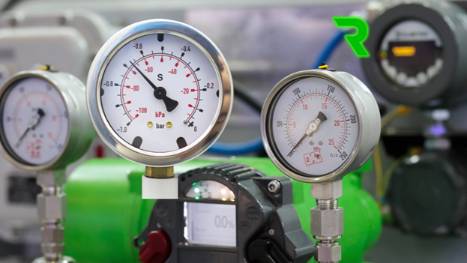
A pressure gauge measures and monitors water pressure in pipelines and irrigation systems. Maintaining the correct pressure is critical for uniform water distribution, system efficiency, and preventing damage. Pressure gauges can be mechanical or digital and are installed to optimize irrigation performance.
How Pressure Gauges Work
⦿ Bourdon Tube Pressure Gauge
- Uses a curved tube that straightens as pressure increases.
- Drives a needle on the dial to indicate pressure.
⦿ Diaphragm Pressure Gauge
- Measures pressure via a flexible diaphragm that deflects with water pressure changes.
- Commonly used for low-pressure systems like drip lines.
⦿ Capsule Pressure Gauge
- Measures small pressure differences using a capsule-shaped sensor.
- Ideal for precise irrigation monitoring.
⦿ Digital Pressure Gauge / Pressure Transducer
- Converts pressure into an electronic signal for real-time monitoring.
- Integrates with smart irrigation systems for remote monitoring.
Why Pressure Gauges are Important
- Prevent Overpressure: Protects emitters, sprinklers, and pipes.
- Ensure Uniform Water Distribution: Maintains consistent flow across all zones.
- Monitor System Performance: Detects blockages, leaks, or pump malfunctions.
- Optimize Irrigation Efficiency: Saves water and reduces operational costs.
- Integration with Smart Systems: Digital gauges communicate with controllers.
Types of Pressure Gauges
- Mechanical: Analog, low-cost, durable.
- Digital: High accuracy, real-time monitoring, IoT connectivity.
- Specialized Irrigation Gauges: Designed for drip or sprinkler networks.
Advantages of Installing Pressure Gauges
- Accurate Pressure Monitoring
- Water Conservation
- System Protection
- Improved Crop Yield
- Cost Efficiency
- Smart Irrigation Integration
Conclusion
Pressure gauges ensure precise water pressure, uniform distribution, and long-term system reliability. Integrating mechanical or digital gauges with smart systems enhances irrigation efficiency and crop productivity.
Pressure Regulators and Pressure Relief Valves for Irrigation Systems
Introduction
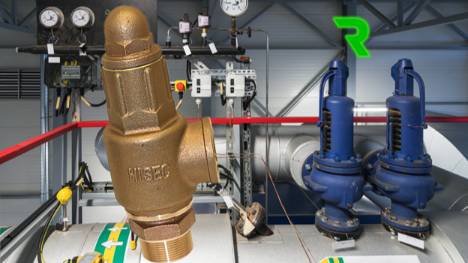
Pressure regulators and relief valves control and maintain water pressure in irrigation systems. They protect pipes, pumps, emitters, and sprinklers from high pressure, ensuring uniform water distribution.
How They Work
⦿ Pressure Regulators
- Diaphragm Regulators: Adjust valve opening to maintain constant output pressure.
- Spring-Loaded Regulators: Use a spring to control water flow.
- Flow Control Regulators: Adjust water flow based on system requirements.
⦿ Pressure Relief Valves
- Spring-Loaded: Release water when pressure exceeds a set limit.
- Pilot-Operated: Use a secondary pilot valve for high-capacity systems.
- Automatic: Continuously maintain safe pressure.
Key Features
Importance
- Maintain Optimal System Pressure
- Protect Equipment
- Enhance Irrigation Efficiency
- Prevent Leaks and Bursts
- Smart Irrigation Integration
Usage
- Drip Irrigation: Stable low pressure for emitters.
- Sprinkler Systems: Uniform coverage and protection.
- Pump Protection: Prevent damage from spikes.
- Integration with Monitoring Systems: Automated irrigation management.
Types
- Mechanical Regulators
- Automatic Regulators and Relief Valves
- Specialized Irrigation Regulators
Advantages
- Accurate Pressure Control
- System Protection
- Water Conservation
- Enhanced Crop Productivity
- Cost Savings
- Smart System Integration
Conclusion
Regulators and relief valves are essential for safe and efficient irrigation, protecting equipment and ensuring uniform water delivery.
No Return Valves (NRV) / Check Valves
Introduction
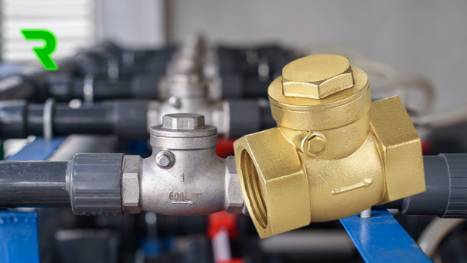
No Return Valves allow water to flow in one direction only, preventing backflow, protecting pumps and pipes, and maintaining system efficiency.
Key Features
How They Work
- Spring-Loaded Check Valves
- Swing Check Valves
- Ball Check Valves
- Diaphragm Check Valves
Importance
- Prevent Reverse Flow
- Protect Pumps and Pipes
- Maintain Water Quality
- Ensure Uniform Irrigation
- Support System Longevity
Usage
- Drip Irrigation: Prevents backflow to the main supply.
- Sprinkler Systems: Protect pipes and sprinklers.
- Pump Protection: Prevents reverse flow.
- Integration with Other Devices: Ensures high-efficiency irrigation.
Types
- Spring-Loaded
- Swing
- Ball
- Diaphragm
- Inline Check Valves
Advantages
- Prevent Reverse Flow
- Protect Irrigation Equipment
- Maintain Water Quality
- Ensure Uniform Water Distribution
- Reduce Maintenance Costs
- Support High-Efficiency Irrigation
Conclusion
NRVs are vital for one-way water flow, equipment protection, and long-term irrigation reliability.
Air Release Valves (ARV) and Vacuum Release Valves (VRV) for Irrigation Systems
Introduction to Air and Vacuum Release Valves
Air Release Valves (ARV) and Vacuum Release Valves (VRV) are essential components in irrigation systems that manage air and vacuum conditions in pipelines. ARVs automatically release trapped air, while VRVs allow air to enter pipelines to prevent vacuum formation. These valves are widely used in drip irrigation, sprinkler systems, and water pipeline networks to protect pipes, pumps, and irrigation equipment.
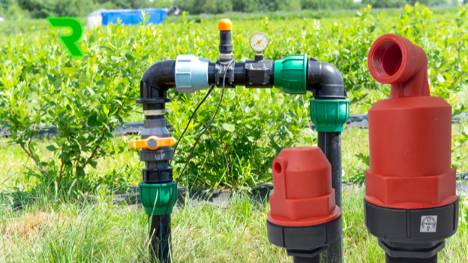
How Air Release and Vacuum Release Valves Work
⦿ Air Release Valves (ARV)
- Function: Automatically release air trapped in the pipeline during filling or operation.
- Mechanism: Uses a float or diaphragm that opens a small outlet when air accumulates at high points, expelling air and closing when water reaches the valve.
⦿ Vacuum Release Valves (VRV)
- Function: Allow air to enter the pipeline when a vacuum is created, such as during pump shutdown or sudden flow reduction.
- Mechanism: The valve opens when negative pressure occurs, preventing pipe collapse or water column separation.
⦿ Combination ARV/VRV Valves
- Designed to release air and admit air when vacuum forms, providing full protection for irrigation pipelines and pump systems.
Key Features
Importance
- Remove Trapped Air in Pipes
- Prevent Pipeline Vacuum
- Avoid Water Hammer
- Maintain System Efficiency
- Protect Irrigation Equipment
Usage
- Drip Irrigation: ARVs installed at high points expel trapped air.
- Sprinkler Systems: VRVs protect sprinklers during pump shutdown or rapid flow changes.
- Pump Stations: Combination ARV/VRV valves safeguard equipment.
- Pipeline Networks: Strategically placed at high points and long runs.
Types
- Automatic Air Release Valves (ARV)
- Vacuum Release Valves (VRV)
- Combination ARV/VRV Valves
- Specialized Irrigation ARVs/VRVs
Advantages
- Prevent Flow Inefficiency
- Protect Pipes and Equipment
- Maintain Uniform Irrigation
- Reduce Maintenance Costs
- Support Smart Irrigation
Conclusion
ARVs and VRVs are vital for efficient and safe irrigation systems, protecting equipment and ensuring uniform water flow.
Flow Control Valves for Irrigation Systems
Introduction to Flow Control Valves
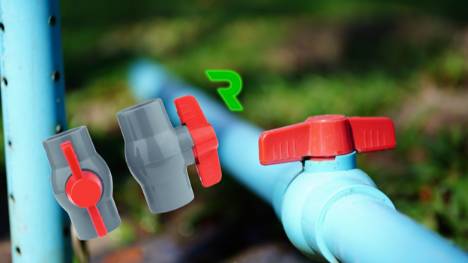
A flow control valve regulates water flow in irrigation pipelines, ensuring uniform irrigation and optimal water distribution. They are used in drip irrigation, sprinkler systems, and large-scale pipelines.
How Flow Control Valves Work
- Manual: Operator adjusts flow manually.
- Automatic: Regulates flow based on pressure or demand.
- Pressure-Compensated: Maintains a constant flow rate regardless of pressure changes.
- Proportional / Needle Valve: Provides precise flow adjustment.
Key Features
Importance
- Regulate Water Flow
- Maintain Uniform Irrigation
- Protect Irrigation Equipment
- Optimize Water Distribution
- Support System Efficiency
Usage
- Drip Irrigation: Maintains a consistent flow to each emitter.
- Sprinkler Systems: Ensures even coverage.
- Pump Discharge: Controls flow from pumps to match system demand.
- Smart Systems: Works with regulators, meters, and controllers.
Types
- Manual Flow Control Valves
- Automatic Flow Control Valves
- Pressure-Compensated Flow Control Valves
- Specialized Irrigation Flow Valves
Advantages
- Accurate Water Delivery
- Protects Irrigation Equipment
- Water Conservation
- Enhances Crop Yield
- Cost Savings
- Supports Smart Irrigation Systems
Conclusion
Flow control valves regulate water flow, protect equipment, and ensure efficient, uniform irrigation. They are essential for all types of irrigation systems.
Digital Irrigation Controllers for Efficient Water Management
Introduction to Digital Irrigation Controllers
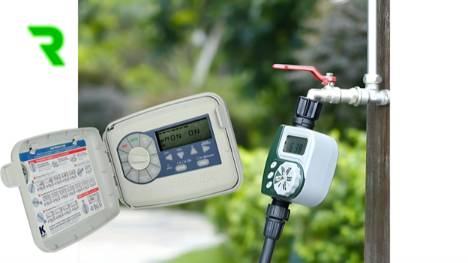
A digital irrigation controller is an advanced device that automates and manages irrigation systems for farms, gardens, lawns, and commercial landscapes. Also known as a smart irrigation controller, electronic irrigation controller, or programmable irrigation controller, it allows users to schedule, monitor, and control irrigation zones with precision.
Digital irrigation controllers are essential for drip irrigation systems, sprinkler networks, and lawn irrigation, enabling optimized water use, improved crop health, and reduced labor costs.
How Digital Irrigation Controllers Work
Digital controllers operate by controlling water flow to irrigation zones based on a programmed schedule, sensors, or remote inputs: – Programmable Scheduling: Set specific watering times and durations for each irrigation zone. – Sensor Integration: Connects with soil moisture, rain, or weather sensors to adjust irrigation automatically. – Remote Operation: Wi-Fi, Bluetooth, or IoT connectivity allows remote monitoring and adjustments. – Multi-Zone Control: Manages multiple zones individually for precise watering. – Solar-Powered and Cloud-Based Options: Energy-efficient, intelligent irrigation management solutions.
Importance in Irrigation Systems
- Automates irrigation, reducing labor and human error.
- Optimizes irrigation schedules for maximum efficiency.
- Improves water efficiency and uniform coverage.
- Supports smart water management with data-driven decisions.
- Enhances crop yield and lawn health.
- Allows remote monitoring and control.
Usage
- Drip Irrigation: Controls water flow and schedules for individual drip lines.
- Sprinkler Systems: Manages multiple zones for uniform coverage.
- Farm and Garden Automation: Fully automated watering for orchards and landscapes.
- Integration with Sensors: Works with soil moisture, rain, and weather-based inputs.
- Remote and Cloud Control: Operate irrigation schedules via smartphones or computers.
Types of Digital Irrigation Controllers
- Programmable Digital Controllers – Manual programming, ideal for small to medium setups.
- Smart Irrigation Controllers – Sensor-based automation optimizing irrigation by weather, soil, and crop type.
- Wi-Fi / Bluetooth / IoT Controllers – Remote access, cloud-based monitoring, multi-zone support.
- Solar-Powered Controllers – Energy-efficient and suitable for remote locations.
- Multi-Zone Controllers – Independent control of multiple zones, ideal for large landscapes
Advantages
- Automated watering and labor reduction
- Water conservation and efficiency
- Improved crop and lawn health
- Remote monitoring and control
- Integration with smart irrigation systems
- Cost efficiency
Solenoid Valves for Irrigation Systems
Introduction
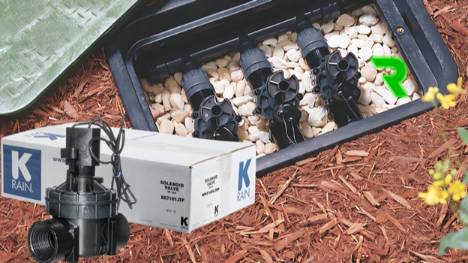
A solenoid valve is an electromechanical device that controls water flow automatically. Also called electric solenoid valve, magnetic valve, or automatic solenoid valve, it is vital for drip irrigation, sprinkler systems, and farm irrigation networks.
How Solenoid Valves Work
- Normally Closed / Normally Open Valves: Open/close based on electric current.
- Direct-Acting Valves: Coil directly moves the valve, suitable for low-flow systems.
- Pilot-Operated Valves: Uses system pressure, ideal for high-flow irrigation.
Integrated with irrigation controllers, solenoid valves switch zones based on schedules or sensor inputs.
Importance
- Automates water flow
- Enables remote management
- Enhances irrigation efficiency
- Protects irrigation equipment
- Supports smart irrigation integration
Usage
- Drip irrigation lines or zones
- Sprinkler system zone management
- Farm irrigation for orchards or large fields
- Integration with digital controllers and pumps
Types
- Normally Closed
- Normally Open
- Direct-Acting
- Pilot-Operated
- Specialized AC/DC valves for smart irrigation
Advantages
- Automated water control
- Enhanced irrigation efficiency
- Remote operation
- Equipment protection
- Supports smart irrigation systems
- Cost and labor savings
Rain Sensors for Efficient Irrigation Systems
Introduction
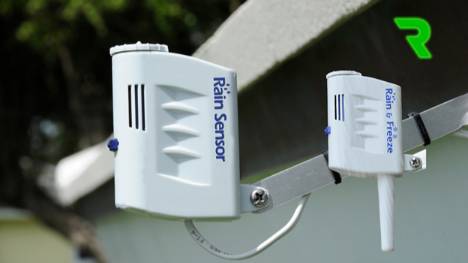
A rain sensor automatically detects rainfall and stops irrigation, preventing overwatering. Also called irrigation rain sensor, automatic rain sensor, or rain shutoff sensor.
How Rain Sensors Work
- Wired, wireless, adjustable, or smart sensors detect rainfall.
- Mechanical (tipping bucket/float) or electronic (moisture detection) types.
- Sends a signal to halt irrigation during rainfall.
Importance
- Stop irrigation during rain
- Conserve water
- Protect crops and lawns
- Optimize irrigation efficiency
- Support smart irrigation
Usage
- Sprinkler systems
- Drip irrigation lines
- Lawn and garden irrigation
- Integrated with controllers, solenoid valves, and smart irrigation
Advantages
- Water conservation
- Reduced wastage
- Plant protection
- Automated irrigation
- Cost savings
- Supports smart irrigation
Soil Moisture Sensors for Efficient Irrigation Management
Introduction
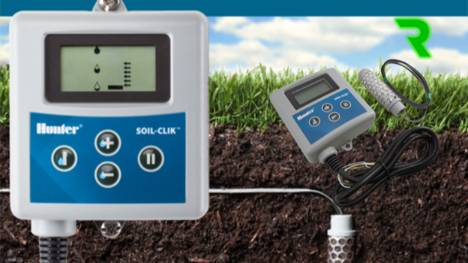
A soil moisture sensor measures soil water content for precise irrigation. Also called soil moisture meter, soil moisture detector, or irrigation soil sensor.
How Soil Moisture Sensors Work
- Resistive: Measures the electrical resistance of soil.
- Capacitive: Measures dielectric permittivity.
- Digital / Analog: Provides real-time data.
- Wireless / Smart: Transmits data for automated irrigation.
Importance
- Optimizes irrigation schedule
- Conserves water
- Maintains soil moisture balance
- Prevents overwatering
- Improves crop yield and plant health
- Supports smart irrigation automation
Usage
- Drip irrigation
- Sprinkler systems
- Lawn and garden irrigation
- Integrated with controllers for automated irrigation
- Precision agriculture
Advantages
- Optimized water usage
- Water conservation
- Healthy soil moisture levels
- Automated irrigation
- Improved crop yield and plant health
- Supports smart irrigation
Foot Valves for Irrigation and Pump Systems
Introduction
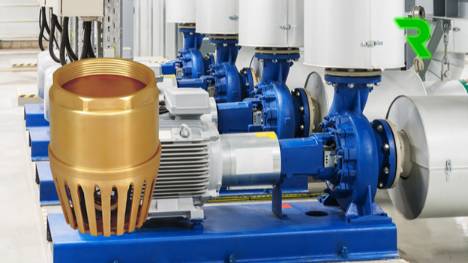
A foot valve is a non-return valve installed at pump suction to prevent backflow and maintain pump prime. Also called irrigation foot valve, pump foot valve, or suction foot valve.
How Foot Valves Work
- A spring-loaded or flapper mechanism allows water flow and prevents backflow.
- Integrated strainer prevents debris from entering pumps.
- Maintains pump prime for reliable water delivery.
Importance
- Prevent backflow
- Maintain pump prime
- Protect the pump from debris
- Ensure efficient irrigation
- Reduce maintenance issues
Usage
- Drip irrigation
- Sprinkler systems
- Pump suction lines
- Integration with flow control valves, solenoid valves, and digital controllers
Types
- Stainless steel
- PVC
- Brass
- Spring-loaded
- Flanged/inline with strainer
Advantages
- Prevent backflow
- Maintain pump prime
- Protect equipment
- Ensure efficient water flow
- Reduce maintenance
- Optimize irrigation efficiency
FAQs – Water Meters
- What is a water meter?
A water meter is a device that measures the volume of water used in an irrigation system or household. - Why is a water meter important for irrigation systems?
A water meter helps track water consumption, ensuring efficient use and reducing wastage. - Can a water meter detect leaks in irrigation systems?
Yes, unusual readings from a water meter may indicate leaks or inefficiencies in the irrigation system. - Are digital water meters better than analog water meters?
Digital water meters provide more accurate readings and can be integrated with irrigation controllers, while analog water meters are simple and cost-effective. - How do I choose the right water meter for my irrigation system?
Select a water meter based on flow capacity, pipe size, and compatibility with irrigation controllers.
FAQs – Pressure Gauges
- What is a pressure gauge in irrigation systems?
A pressure gauge measures the water pressure within an irrigation system. - Why is monitoring water pressure important?
Maintaining correct water pressure prevents damage to irrigation pipes, valves, and sprinklers. - Can I install a pressure gauge myself?
Yes, a pressure gauge can be installed easily on irrigation pipes or near filters for monitoring. - What happens if the pressure is too high or too low?
High pressure can damage irrigation components, while low pressure reduces system efficiency. - What is the ideal pressure range for drip irrigation and sprinkler systems?
Drip irrigation typically requires 10–30 PSI, while sprinkler systems may require 30–60 PSI depending on the design.
FAQs – Pressure Release Valves
- What is a pressure release valve?
A pressure release valve protects irrigation systems by releasing excess water pressure. - Why is a pressure release valve necessary in drip irrigation?
It prevents pipes and drippers from bursting due to sudden spikes in water pressure. - Can a pressure release valve save energy and water?
Yes, by maintaining stable pressure, it reduces water and energy loss in the irrigation system. - How do I maintain a pressure release valve?
Regularly check for clogs, leaks, or wear to ensure proper functioning.
FAQs – Non-Return Valves
- What is a non-return valve in irrigation systems?
A non-return valve allows water to flow in only one direction, preventing backflow. - Why is a non-return valve important in drip irrigation?
It prevents contaminated water or fertilizers from flowing back into the main water supply. - Can I use a non-return valve with a fertilizer injector?
Yes, it is essential when using fertilizer injectors to stop chemicals from contaminating the water source. - Are non-return valves durable?
Non-return valves are designed to last, but regular maintenance ensures long-term reliability.
FAQs – Air Release Valves
- What is an air release valve?
An air release valve automatically expels trapped air from irrigation pipelines. - Why do irrigation systems need air release valves?
Air pockets can reduce water flow, cause pressure fluctuations, and damage pipelines. - Can air release valves save energy?
Yes, by maintaining consistent water flow, they improve system efficiency and reduce energy use. - Where should I install an air release valve?
They should be installed at pipeline high points, near pumps, or filter units.
FAQs – Vacuum Release Valves
- What is a vacuum release valve in irrigation?
A vacuum release valve allows air into the system to prevent vacuum conditions when water flow stops. - Why is a vacuum release valve important?
It prevents pipe collapse, soil suction, and contamination in drip irrigation systems. - Where should I place vacuum release valves?
They should be installed at critical points in the pipeline to prevent vacuum pressure damage.
FAQs – Flow Control Valves
- What is a flow control valve in irrigation?
A flow control valve regulates water flow within an irrigation system. - How do flow control valves improve irrigation?
They ensure even water distribution across fields and prevent overwatering. - Can I use a flow control valve with drip irrigation?
Yes, flow control valves are essential in drip irrigation for balancing flow to emitters. - What materials are flow control valves made of?
They are typically made of brass, PVC, or stainless steel depending on application.
FAQs – Digital Water Timers
- What is a digital water timer?
A digital water timer automates irrigation by controlling when and how long water flows. - How does a digital water timer benefit kitchen gardens and lawns?
It ensures consistent watering, prevents overwatering, and saves water. - Can I use a digital water timer with drip irrigation?
Yes, digital water timers are commonly used with drip irrigation for precise scheduling. - Do digital water timers require electricity?
Most operate on batteries, while some advanced models can be solar-powered. - Are digital water timers easy to program?
Yes, most models are user-friendly and allow multiple daily watering cycles.
FAQs – Digital Irrigation Controllers
- What is a digital irrigation controller?
A digital irrigation controller is an advanced device that automates irrigation scheduling. - How does a digital irrigation controller save water?
It uses precise scheduling, sensors, and weather adjustments to optimize water use. - Can digital irrigation controllers be used for large farms?
Yes, they are designed for both residential gardens and commercial agriculture. - Are Wi-Fi irrigation controllers available?
Yes, many modern controllers allow remote operation via smartphones. - How long do digital irrigation controllers last?
With proper maintenance, they can last over 8–10 years.
FAQs – Solenoid Valves
- What is a solenoid valve in irrigation systems?
A solenoid valve is an electrically controlled valve that regulates water flow. - How do solenoid valves work with irrigation controllers?
They open and close automatically when triggered by irrigation controllers. - Are solenoid valves reliable for drip and sprinkler systems?
Yes, they are widely used in both systems for automation and control. - Can solenoid valves work on solar-powered systems?
Yes, low-voltage solenoid valves can operate with solar-powered irrigation controllers.
FAQs – Rain Sensors
- What is a rain sensor in irrigation systems?
A rain sensor detects rainfall and stops irrigation to prevent overwatering. - Why should I use a rain sensor?
It conserves water and prevents plant damage due to excessive watering. - Are rain sensors compatible with digital irrigation controllers?
Yes, they can be integrated with most irrigation controllers for automation. - Do rain sensors require maintenance?
Minimal cleaning is required to ensure accurate rainfall detection.
FAQs – Water Timer for Kitchen Gardening
- What is a water timer for kitchen gardening?
A water timer for kitchen gardening is a small device that automates irrigation for home gardens, potted plants, and vegetable beds. - Can I use a water timer with drip irrigation in kitchen gardening?
Yes, drip irrigation with a water timer is ideal for kitchen gardens, ensuring plants receive the right amount of water. - Is a water timer suitable for balcony plants and pots?
Yes, digital water timers are commonly used in balcony gardens, terraces, and potted plants. - Do kitchen garden water timers run on electricity?
Most water timers for home gardening run on AA batteries, while some advanced models use solar power. - How much water can I save using a water timer for kitchen gardens?
By avoiding overwatering, a kitchen garden water timer can save up to 50% water while improving plant growth. - Can I install a kitchen garden water timer myself?
Yes, most water timers are user-friendly and can be connected directly to a garden tap or small irrigation system without professional help.
FAQs – Freeze Sensors
- What is a freeze sensor in irrigation systems?
A freeze sensor detects freezing temperatures and prevents irrigation during frost. - Why are freeze sensors important?
They protect irrigation pipes and sprinklers from freezing damage. - Can freeze sensors save energy and repair costs?
Yes, they reduce the risk of pipe bursts and costly repairs.
FAQs – Soil Sensors
- What is a soil sensor in irrigation systems?
A soil sensor measures soil moisture levels to optimize irrigation scheduling. - How does a soil sensor save water?
It prevents unnecessary watering by irrigating only when soil moisture is low. - Can soil sensors be used with drip irrigation and sprinklers?
Yes, soil sensors are effective in both systems for water conservation. - Are wireless soil sensors available?
Yes, modern soil sensors are wireless and can connect to smart irrigation controllers.
FAQs – Foot Valves
- What is a foot valve in irrigation systems?
A foot valve is a type of check valve installed at the pump’s suction side to maintain prime. - Why are foot valves important?
They prevent backflow, keep pumps primed, and improve energy efficiency. - Are foot valves durable?
Yes, they are built to withstand high suction pressure and last long. - Where should I install a foot valve?
They should be installed at the end of the suction line in a water source.