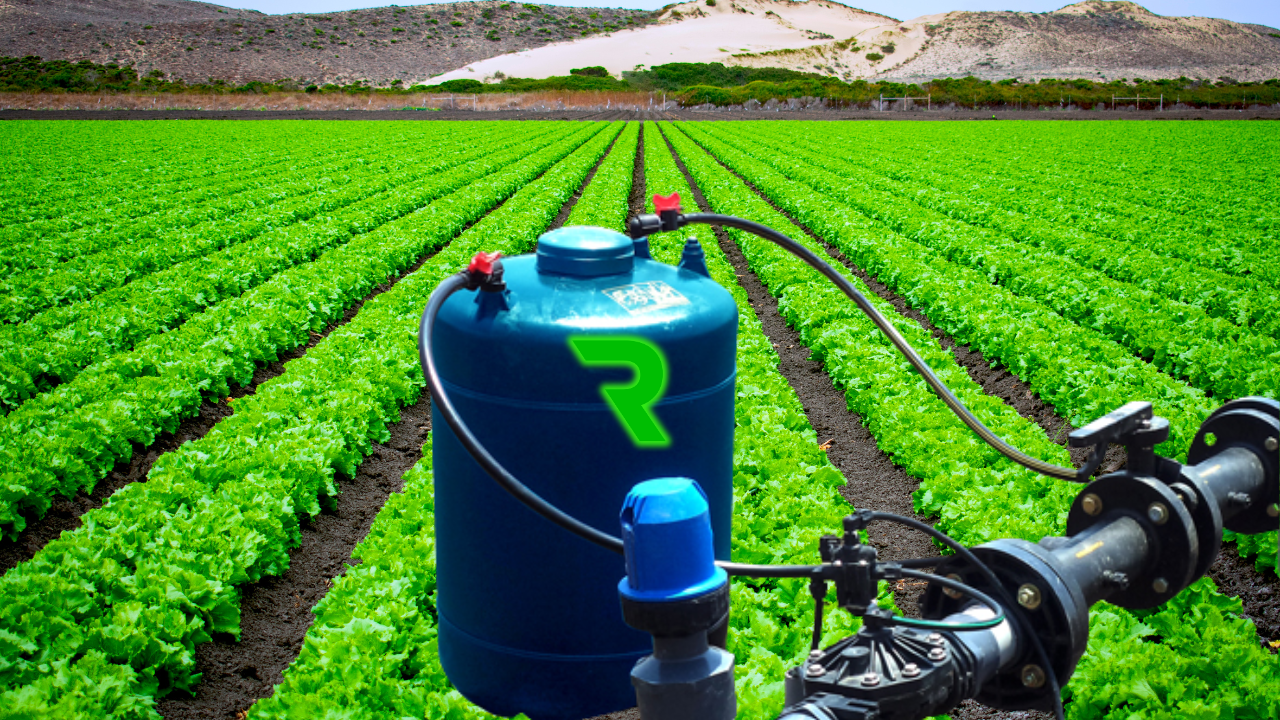
Fertigation with Drip and Sprinkler Irrigation

Introduction to Fertigation

Fertigation is a modern and efficient method of fertilizer application through your irrigation system. It combines irrigation and fertilization in a single process, saving time, water, and nutrients.

There are different types of fertigation systems such as fertigation tanks, venturi injectors, fertilizer dosing pumps, and fully automatic fertigation controllers.

Whether you need a manual fertigation system, a solar-powered fertigation unit, or a portable fertigation kit, choosing the right fertilizer injection system for sprinkler irrigation or drip irrigation fertilizer system makes a big difference in your crop health and yields.
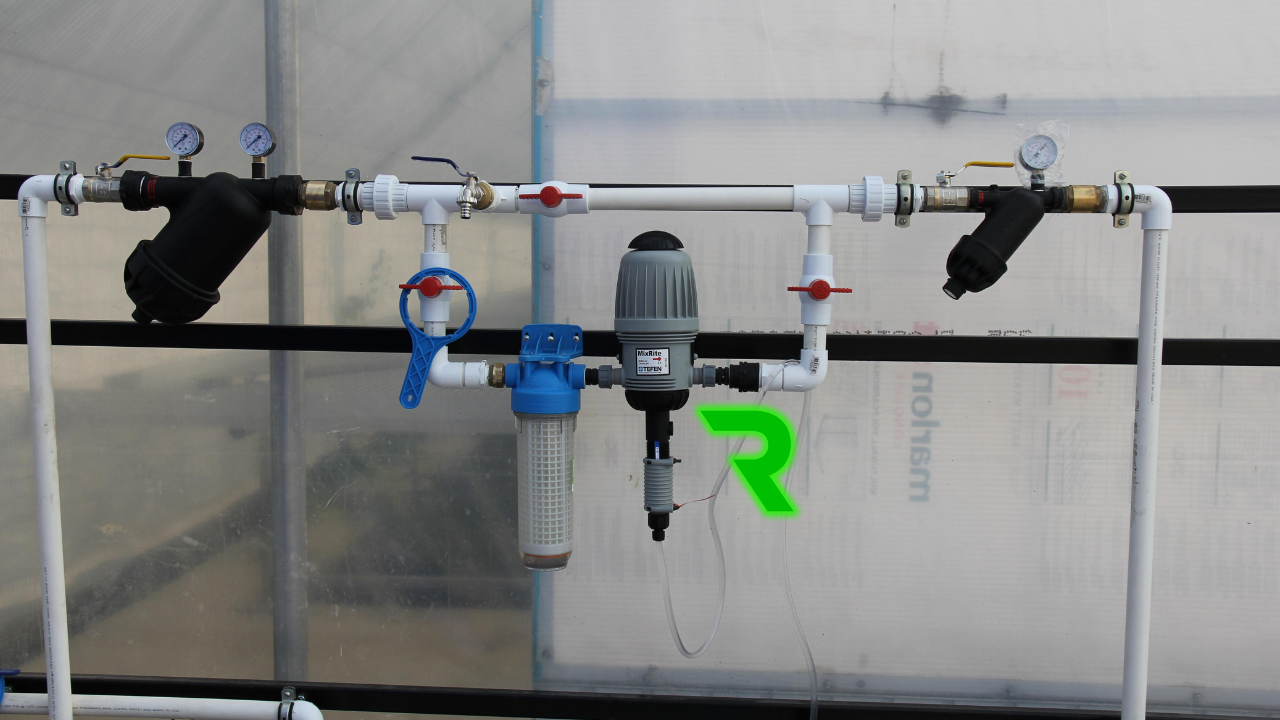
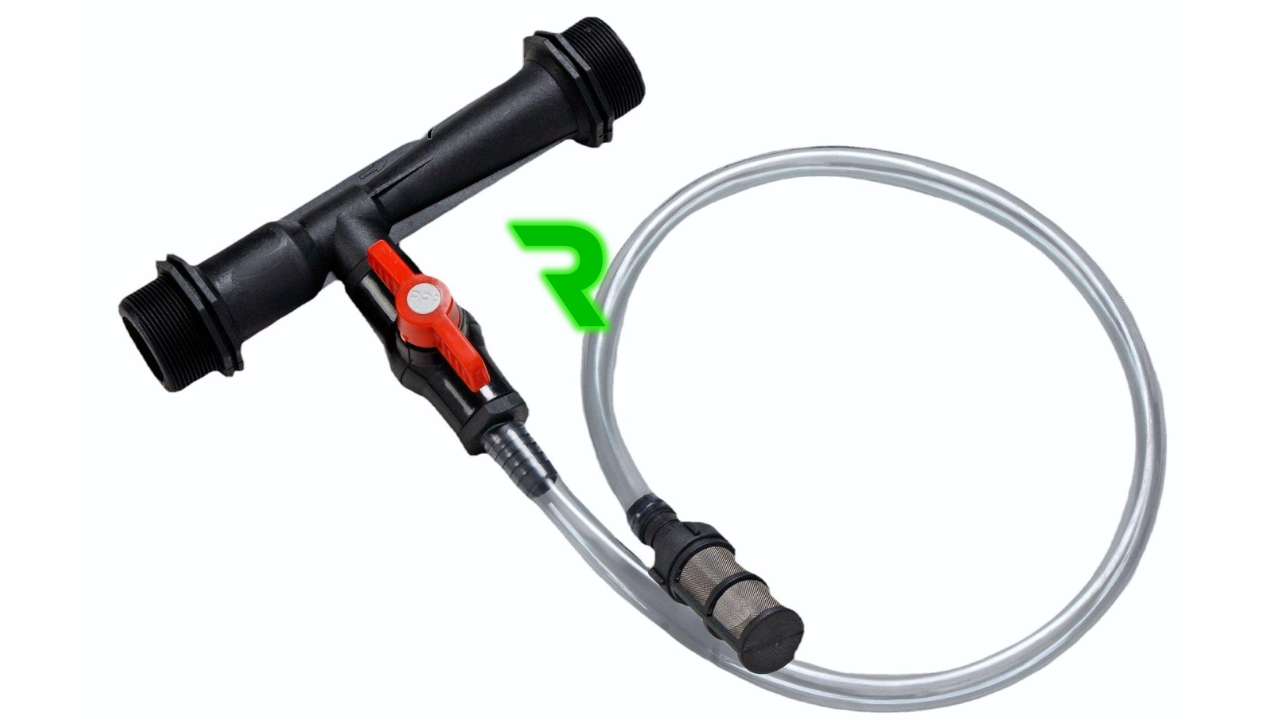
Fertigation Technology and How It Works

Modern fertilizer injector systems use simple tools like a dosing pump, a venturi injector for fertigation, or a fertilizer tank for drip irrigation, which is also called a fertilizer mixing tank, to deliver liquid nutrients directly to the plant roots.

If you’re wondering how to apply fertilizer with drip irrigation, or how a fertilizer injection system for sprinkler irrigation works, the principle is simple: water carries dissolved nutrients uniformly to each plant.

Many growers use fertigation units for greenhouse drip irrigation, fertilizer injectors for lawn sprinkler systems, or fertilizer pumps for larger orchards and open fields. Smart farmers even adopt a smart fertigation controller for precision farming fertigation benefits.

Where Can Fertigation Be Used?

Fertigation can be used in various farming and landscaping applications:

  • Drip irrigation fertigation for orchards and vegetable crops
  • Sprinkler fertigation for golf course turf, playground turf, and lawns
  • Fertigation for tunnel farming and greenhouse crops
  • Fertigation with rain pipe irrigation for open field crops
  • Fertigation for flower beds, kitchen gardens, and home lawns
  • Hydroponic fertigation systems for soilless farming

Whether you manage a small garden or a large orchard, fertigation helps apply liquid fertilizers efficiently and uniformly.

Pop-Up Sprinkler Systems for Lawns, Parks, Playgrounds & Golf Courses Irrigation

Fertigation offers many benefits over traditional fertilizer application methods:

  • Efficient fertilizer use with fertigation reduces waste and runoff.
  • How fertigation saves water and fertilizer: nutrients reach plant roots directly, so you need less water and fertilizer.
  • Increase yield with fertigation by providing nutrients exactly when and where plants need them.
  • How fertigation improves plant growth: balanced nutrition means healthier, stronger plants.
  • Cost-effective fertigation solutions: reduce labor, input costs, and time.
  • Precision farming fertigation benefits: better control of fertilizer dose and timing.
  • Fertigation vs traditional fertilizer application: modern, clean, and precise.
  • Best fertigation practices for orchards, greenhouses, open fields, and lawns improve soil health and sustainability.

Mini Sprinkler Systems for Kitchen Gardening and Small Gardens

At Rabail Technologies, we bring expertise in designing, installing, and maintaining fertigation systems for drip and sprinkler irrigation. We help you select the best fertigation system for drip irrigation or sprinklers, whether you need a venturi injector, fertilizer dosing pump, automatic fertigation system, or low-cost fertigation unit for small farmers.

Our team guides you through:

  • How to use a venturi injector for fertigation
  • How to calculate fertigation dose
  • How to install a fertigation unit and keep it working smoothly
  • Maintenance of the fertigation system for long-term performance
  • Choosing the best fertilizer for fertigation and water-soluble fertilizers for drip

From solar-powered fertigation systems to fertigation in orchards, vegetables, tunnels, lawns, and flower beds, our solutions help you grow more with less water and fertilizer — sustainably and cost-effectively.

Partner with us to experience precision fertigation, higher yields, and greener landscapes.

Mini Sprinkler Systems for Kitchen Gardening and Small Gardens

Contact Rabail Technologies today for customized fertigation systems and discover how smart fertilizer application can transform your farm, garden, or turf.

Fertigation FAQs

  1. What is fertigation in drip irrigation?
    Fertigation is the application of water-soluble fertilizers through a drip irrigation system, allowing nutrients to reach plant roots directly and efficiently.
  2. Why is fertigation important for crops?
    Fertigation ensures uniform nutrient distribution, reduces fertilizer wastage, improves nutrient uptake, and enhances crop growth and yield.
  3. Can fertigation be used for row crops?
    Yes, crops like maize, wheat, rice, and vegetables benefit from precise nutrient delivery through drip lines.
  4. Can fertigation be applied in orchards?
    Yes, fertigation is effective for fruit trees such as mango, citrus, guava, and apple, improving both yield and fruit quality.
  5. Can fertigation be used in kitchen gardens?
    Yes, mini drip lines and micro tubing allow small-scale application of nutrients to vegetables, herbs, and flowers.
  6. How does fertigation improve fertilizer efficiency?
    Fertigation delivers nutrients directly to the root zone, reducing losses from runoff, leaching, or volatilization.
  7. What types of fertilizers can be used in drip fertigation?
    Water-soluble fertilizers such as urea, potassium nitrate, mono-ammonium phosphate, and micronutrients can be used.
  8. Can fertigation reduce labor costs?
    Yes, fertigation automates fertilizer application, eliminating manual spreading and saving time.
  9. How is fertigation integrated with a drip system?
    Fertilizers are mixed in a tank and injected into the drip system through a fertigation unit, distributing nutrients evenly to all plants.
  10. Can fertigation improve crop quality?
    Yes, uniform nutrient supply enhances fruit size, color, taste, and overall crop quality.
  11. How often should fertigation be applied?
    Frequency depends on crop type, growth stage, soil fertility, and water availability, typically 1–2 times per week or as recommended.
  12. Can fertigation be used with micro irrigation for orchards?
    Yes, micro tubing or inline emitters can supply fertilizers precisely to each tree root zone.
  13. What equipment is required for fertigation?
    A fertilizer tank, venturi or dosing pump, filters, pressure regulators, drip lines, and control valves are essential.
  14. How do you prevent clogging during fertigation?
    Using clean water, proper filtration, and soluble fertilizers prevents emitter clogging and ensures uniform nutrient delivery.
  15. Can fertigation reduce fertilizer costs?
    Yes, precise nutrient delivery minimizes wastage, reducing overall fertilizer use and cost.
  16. How is fertigation scheduled for crops?
    Scheduling depends on crop growth stage, nutrient requirements, soil type, and water availability.
  17. Can micronutrients be applied through fertigation?
    Yes, micronutrients like zinc, iron, and boron can be supplied efficiently using water-soluble forms.
  18. Can fertigation be automated?
    Yes, digital controllers and timers can regulate water and nutrient injection for consistent crop nutrition.
  19. How does fertigation benefit high-value crops?
    By improving nutrient efficiency and reducing stress, fertigation enhances quality, yield, and market value.
  20. Can fertigation be used in greenhouse crops?
    Yes, fertigation in polyhouses or tunnels ensures uniform nutrient supply for vegetables, flowers, and herbs.
  21. How do you calculate fertilizer dose for fertigation?
    Fertilizer dosage is based on crop nutrient requirement, area, emitter flow rate, and irrigation schedule.
  22. Can fertigation be used for fruiting vegetables?
    Yes, crops like tomatoes, cucumbers, peppers, and eggplants benefit from balanced nutrient supply via fertigation.
  23. How do you prevent over-fertilization during fertigation?
    Follow recommended doses, monitor crop response, and adjust fertilizer concentration according to soil and plant needs.
  24. Can fertigation improve water use efficiency?
    Yes, combining water and nutrient application reduces water loss and enhances plant growth.
  25. Can fertigation be used with low-pressure drip systems?
    Yes, pressure-compensating emitters and dosing pumps allow efficient nutrient delivery even at low pressure.
  26. Can fertigation be used for pulse crops?
    Yes, pulses like beans, lentils, and peas respond well to precise nutrient application via drip irrigation.
  27. Can fertigation be integrated with rainwater harvesting?
    Yes, collected water can supply both irrigation and fertigation through the drip system.
  28. How do you mix fertilizers for fertigation?
    Fertilizers should be fully water-soluble, mixed in clean water, and filtered before injecting into the drip lines.
  29. Can fertigation reduce nutrient leaching?
    Yes, direct application to the root zone minimizes leaching into deeper soil layers.
  30. Can fertigation be used in orchards with multiple tree species?
    Yes, adjustable emitters and zoned fertigation allow different nutrient doses for each species.
  31. How do you monitor fertigation efficiency?
    Monitoring plant growth, soil nutrient levels, and water flow ensures nutrients are delivered efficiently.
  32. Can fertigation prevent nutrient deficiency?
    Yes, continuous supply of nutrients through drip irrigation reduces deficiencies and supports healthy growth.
  33. How is fertigation different from broadcasting fertilizers?
    Fertigation applies nutrients directly to the root zone in solution form, while broadcasting spreads fertilizer on the soil surface, which may be less efficient.
  34. Can fertigation be combined with mulching?
    Yes, mulching reduces evaporation, and fertigation delivers nutrients efficiently under the mulch.
  35. Can fertigation improve fruit tree growth?
    Yes, regular nutrient supply enhances root development, flowering, and fruit yield.
  36. Can fertigation be used for high-value horticultural crops?
    Yes, crops like strawberries, capsicum, and leafy greens respond well to fertigation.
  37. Can fertigation reduce soil nutrient depletion?
    Yes, precise nutrient supply reduces wastage and maintains soil fertility over time.
  38. How do you clean the fertigation system?
    Flush lines regularly, clean filters, and occasionally inject acid or cleaning solution to prevent scaling or clogging.
  39. Can fertigation improve fruit quality in orchards?
    Yes, balanced nutrient supply enhances fruit size, sweetness, color, and shelf life.
  40. Can fertigation be applied to cereal crops?
    Yes, cereals like wheat, rice, and maize benefit from water-soluble nutrients delivered through drip irrigation.
  41. Can fertigation help in drought conditions?
    Yes, efficient nutrient and water application ensures crops receive required nutrients even with limited water.
  42. Can fertigation reduce fertilizer runoff into water bodies?
    Yes, targeted application minimizes surface runoff and environmental pollution.
  43. Can fertigation be used for vertical or container gardens?
    Yes, mini drip kits or micro tubing allow precise nutrient delivery to potted plants or raised beds.
  44. How is fertigation scheduled for orchards?
    Schedule depends on tree age, growth stage, soil type, and climatic conditions for optimal nutrient supply.
  45. Can fertigation be integrated with soil moisture sensors?
    Yes, sensors trigger nutrient delivery only when soil requires irrigation, improving efficiency.
  46. Can fertigation improve overall crop profitability?
    Yes, higher yields, better quality, and reduced fertilizer wastage increase farm profitability.
  47. Can fertigation be used with drip irrigation in sloped fields?
    Yes, pressure-compensating emitters ensure uniform nutrient distribution on slopes.
  48. Can fertigation be used for medicinal plants?
    Yes, drip fertigation supports uniform growth and quality in herbs like mint, basil, and coriander.
  49. How do you select a fertigation system for row crops?
    Consider crop type, field size, water source, pressure, emitter type, and fertilizer requirements.
  50. Can fertigation be scaled for large orchards or farms?
    Yes, drip systems with multiple zones, tanks, and dosing pumps allow large-scale fertigation efficiently.
  51. Can fertigation be used for lawns and turfgrass?
    Yes, fertigation supplies nutrients directly to the root zone of lawns, ensuring uniform growth, greener grass, and healthy turf development.
  52. How does fertigation benefit golf courses?
    Fertigation provides precise nutrient application for fairways, greens, and tees, improving grass density, color, and resilience while reducing fertilizer wastage.
  53. Can fertigation be used in parks and urban green spaces?
    Yes, drip lines and micro tubing allow targeted nutrient delivery for flower beds, shrubs, and landscaped areas, promoting uniform growth and reducing maintenance costs.
  54. How often should lawns be fertigated?
    Frequency depends on grass type, soil fertility, and climate, typically once every 1–2 weeks during active growth periods.
  55. Can fertigation reduce fertilizer runoff in lawns?
    Yes, targeted application to the root zone minimizes nutrient runoff and environmental pollution.
  56. Can fertigation improve turf quality on golf courses?
    Yes, fertigation enhances color, density, root growth, and stress tolerance, leading to healthier and more playable turf.
  57. Can fertigation be used in sports fields?
    Yes, sprinkler/drip irrigation and fertigation ensure uniform nutrient and water supply for consistent grass growth across sports fields.
  58. Can micro tubing be used for small landscaped areas?
    Yes, micro tubing allows precise nutrient application for flower beds, hedges, and ornamental plants.
  59. Can fertigation reduce water use on lawns?
    Yes, combining drip irrigation with fertigation ensures water is applied efficiently while delivering nutrients, reducing overall water consumption.
  60. Can fertigation be automated for golf courses and parks?
    Yes, timers and controllers allow automatic nutrient and water supply to large landscaped areas with minimal labor.
  61. Can lawns and turfgrass benefit from micronutrients via fertigation?
    Yes, nutrients like iron, manganese, and zinc improve grass color, density, and resistance to stress.
  62. Can fertigation improve recovery after drought or heat stress?
    Yes, applying nutrients along with water promotes root growth and rapid recovery of grass and crops.
  63. Can fertigation be applied to new lawn installations?
    Yes, delivering nutrients via drip or micro tubing helps establish strong roots in newly seeded or sodded areas.
  64. Can fertigation prevent uneven growth in lawns?
    Yes, precise delivery of water and nutrients ensures uniform grass height, color, and density.
  65. How does fertigation support sustainable landscaping?
    By reducing fertilizer wastage, preventing runoff, and optimizing water use, fertigation promotes environmentally friendly lawn and garden management.
  66. Can fertigation be used with ornamental plants in urban gardens?
    Yes, micro drip systems allow efficient nutrient supply to shrubs, flowers, and potted plants in urban landscapes.
  67. Can fertigation be used in rooftop gardens?
    Yes, mini drip lines and dosing systems deliver nutrients efficiently to plants in rooftop or terrace gardens.
  68. How do you monitor nutrient levels in turfgrass fertigation?
    Regular soil tests, visual inspection, and monitoring grass growth help adjust fertilizer doses for optimal results.
  69. Can fertigation be used for mixed plantings in parks?
    Yes, zoned fertigation systems allow different nutrient doses for lawns, trees, and flower beds within the same area.
  70. Can fertigation reduce mowing and maintenance requirements?
    Yes, healthy, uniform turf grows evenly, reducing excessive growth, mowing frequency, and maintenance efforts.
  71. Can fertigation prevent nutrient deficiencies in ornamental shrubs?
    Yes, targeted nutrient supply ensures optimal growth, flowering, and foliage color.
  72. Can fertigation be used with sprinklers for large lawns?
    Yes, fertigation can supplement sprinkler irrigation, especially with root-zone injection systems, improving nutrient efficiency.
  73. How do you avoid over-fertilization on lawns?
    Follow recommended fertilizer concentrations, monitor grass response, and schedule applications according to growth stage.
  74. Can fertigation improve disease resistance in turf?
    Yes, adequate nutrition strengthens plant defenses against pests and diseases.
  75. Can fertigation be used for golf course roughs and outfields?
    Yes, drip or micro tubing systems ensure targeted nutrient delivery even in non-play areas, improving overall turf health.
  76. Can fertigation support soil health in lawns and parks?
    Yes, efficient nutrient application minimizes leaching and maintains balanced soil fertility.
  77. Can fertigation be used during rainy periods?
    Yes, dosing can be adjusted to prevent excess nutrient application while ensuring proper uptake.
  78. Can fertigation improve flowering in ornamental plants?
    Yes, balanced nutrients delivered through drip systems promote better flowering and growth.
  79. Can fertigation be used in urban landscaping projects with restricted water supply?
    Yes, drip fertigation provides nutrients and water efficiently, reducing overall consumption.
  80. Can fertigation improve the longevity of golf course greens?
    Yes, healthy, nutrient-rich turf resists wear, disease, and stress, prolonging green life.
  81. Can fertigation be integrated with soil moisture sensors for lawns?
    Yes, sensors trigger irrigation and nutrient delivery only when needed, optimizing efficiency.
  82. Can fertigation reduce environmental pollution in urban areas?
    Yes, precise root-zone application prevents excess fertilizers from entering water bodies.
  83. Can fertigation improve root development in turfgrass?
    Yes, nutrients delivered directly to roots enhance root growth, leading to stronger and more resilient grass.
  84. Can fertigation be used for vertical gardens in urban settings?
    Yes, micro drip systems allow uniform nutrient and water supply to plants in vertical structures.
  85. Can fertigation enhance water retention in soil?
    Yes, by combining irrigation and nutrient delivery, soil structure and moisture retention improve.
  86. Can fertigation be adjusted for seasonal requirements?
    Yes, nutrient doses can be modified for active growth, flowering, or dormancy periods.
  87. Can fertigation improve color and density of ornamental lawns?
    Yes, consistent nutrient supply promotes vibrant green color and dense turf growth.
  88. Can fertigation be used in combination with mulching on lawns?
    Yes, mulch reduces evaporation, and fertigation ensures nutrients reach the root zone efficiently.
  89. Can fertigation be applied in golf course bunkers or sand areas?
    Yes, zoned fertigation systems allow nutrient delivery to turf around sand areas without wastage.
  90. Can fertigation support integrated pest and nutrient management?
    Yes, fertigation can be combined with foliar sprays or soil amendments for holistic crop and turf management.
  91. Can fertigation be applied during drought to maintain lawn quality?
    Yes, targeted nutrient and water application helps lawns survive stress conditions.
  92. Can fertigation improve resistance to high foot traffic in parks?
    Yes, healthy, nutrient-rich grass recovers faster from trampling and maintains turf density.
  93. Can fertigation be used in rooftop community gardens?
    Yes, micro drip fertigation supports efficient growth of vegetables, herbs, and flowers in small urban plots.
  94. Can fertigation be customized for different lawn species?
    Yes, grass types like Bermuda, Rye, and Fescue can receive tailored nutrient doses through drip systems.
  95. Can fertigation reduce irrigation frequency on golf courses?
    Yes, efficient nutrient and water delivery reduces excessive watering while maintaining turf quality.
  96. Can fertigation be used for ornamental trees in parks?
    Yes, fertigation can provide essential nutrients directly to tree roots for improved growth and flowering.
  97. Can fertigation be combined with organic fertilizers?
    Yes, water-soluble organic fertilizers can be applied through drip systems for sustainable turf and crop nutrition.
  98. Can fertigation improve the establishment of newly sodded lawns?
    Yes, nutrient-rich water supports root development and faster establishment.
  99. Can fertigation enhance stress tolerance in urban green spaces?
    Yes, well-nourished plants withstand heat, drought, and foot traffic better.
  100. How do you choose the right fertigation system for crops, lawns, and golf courses?
    Consider plant type, field or lawn size, water source, soil type, pressure, emitter type, and nutrient requirements for optimal performance.