Irrigation Water Filters

Importance, Types, and Solutions by Rabail Technologies

Efficient irrigation systems, such as drip irrigation systems and sprinkler irrigation systems, require clean and filtered water to ensure long-lasting performance. Water filters are an essential part of modern irrigation, protecting emitters, pop-up sprinklers, and gear-driven sprinklers from clogging caused by suspended particles, sediments, and organic matter.

Rabail Technologies specializes in providing high-quality irrigation filters, including screen filters, disc filters, hydrocyclone filters, media filters, and automatic filters.
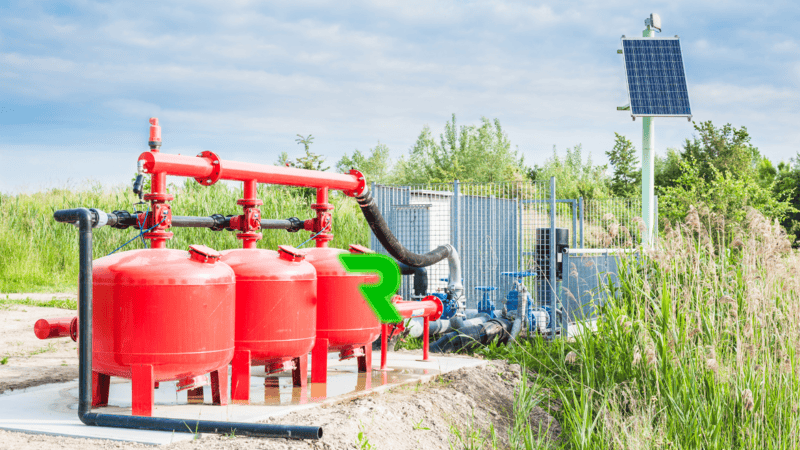
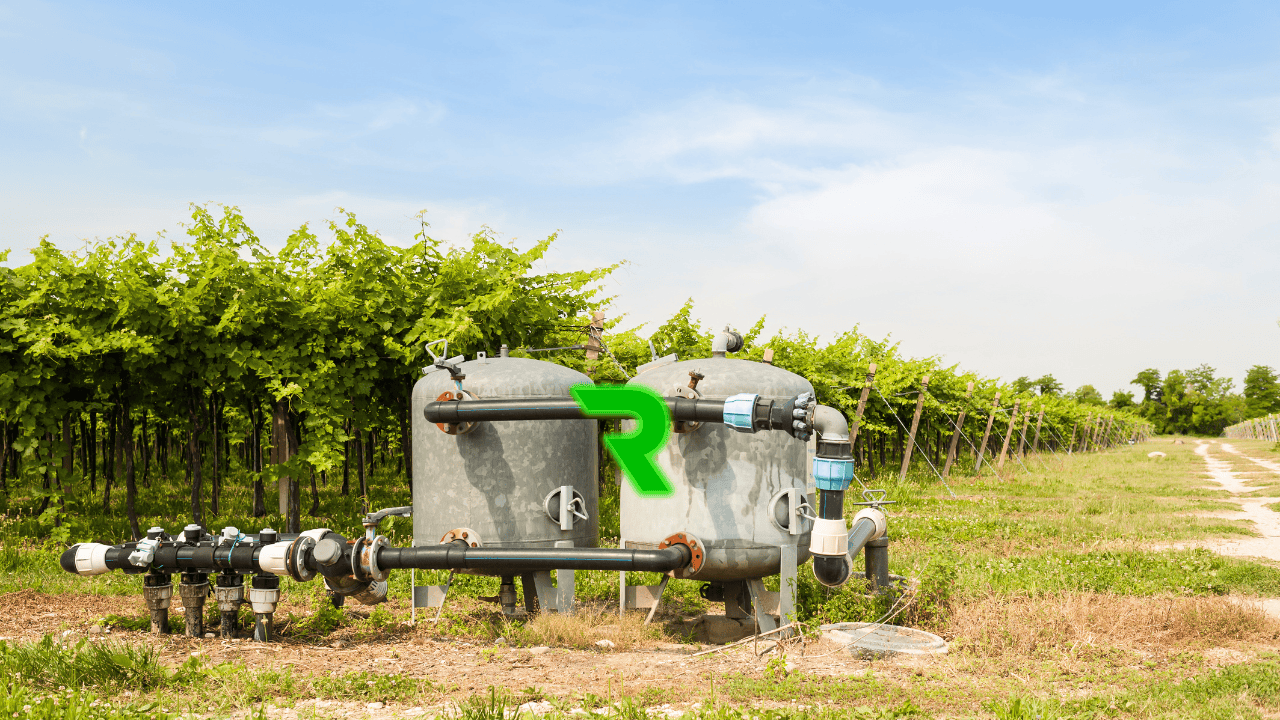
Efficient Sand Media Filters for irrigation water.

Why Filters are Needed in Irrigation

Filters play a crucial role in irrigation systems by removing impurities, such as sand, silt, clay, algae, and organic matter, from water sources. Unfiltered water leads to frequent clogging of drip emitters, micro sprinklers, pop-up sprinklers, and gear-driven sprinklers.

This results in uneven water distribution, reduced efficiency, higher maintenance costs, and lower crop yields. Clean water ensures uniform irrigation, promotes healthy plant growth, and extends the lifespan of the irrigation system.

Importance of Filters for Drip Irrigation

Drip irrigation systems operate with very fine emitters that deliver precise quantities of water directly to plant roots. Even small particles can block emitters, reducing system efficiency. Filters such as screen filters, disc filters, hydrocyclone filters, and media filters are used to keep water clean. Using proper irrigation water filters ensures uniform water application, prevents system breakdowns, and improves crop productivity.

Importance of Filters for Sprinkler Irrigation

Sprinkler systems, especially pop-up sprinklers and gear-driven sprinklers, are sensitive to dirty water. Clogging in sprinkler nozzles reduces water distribution uniformity, leaving dry patches in lawns, golf courses, playgrounds, and agricultural fields. Installing irrigation filters ensures smooth functioning, extended life of sprinklers, and consistent water coverage.

Types of Irrigation Filters

Screen Filters

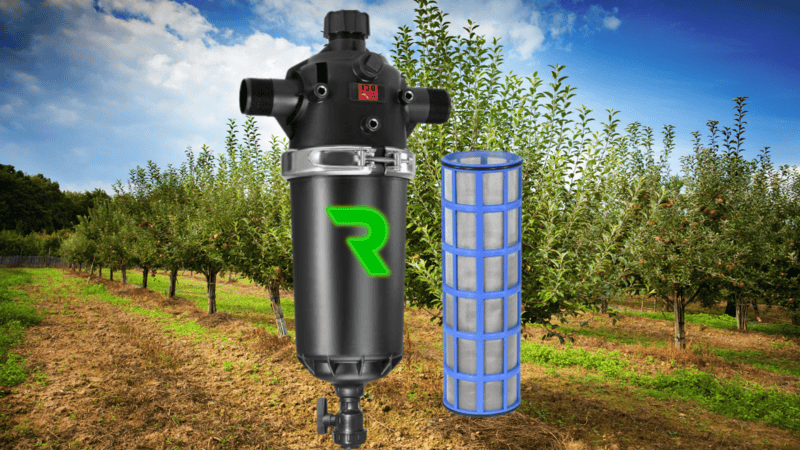
Screen filters use a fine mesh screen to trap sand, silt, and other suspended particles. They are best suited for relatively clean water sources such as municipal water or well water. Screen filters are commonly used in drip irrigation systems and sprinkler irrigation systems where moderate filtration is required.

Disc Filters

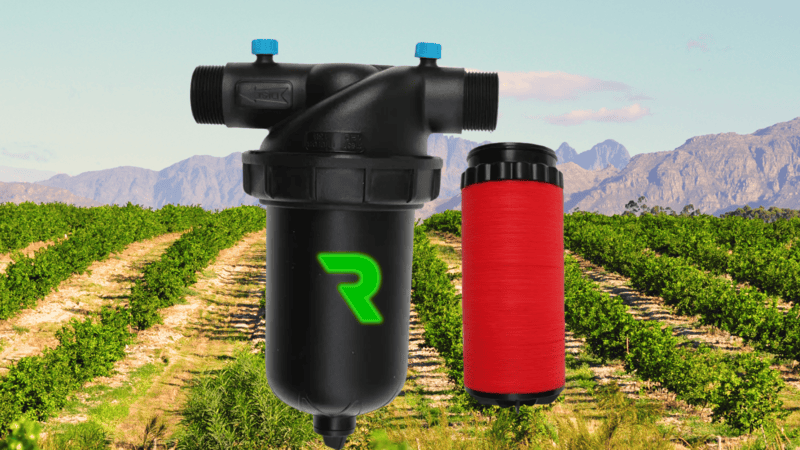
Disc filters use a stack of grooved plastic discs to capture debris and organic matter. They provide better filtration compared to screen filters and are ideal for water containing physical impurities, algae, or biological impurities. Disc filters are widely used in drip irrigation systems, greenhouse irrigation, and landscape irrigation. Disc filters are commonly used as a secondary filter.

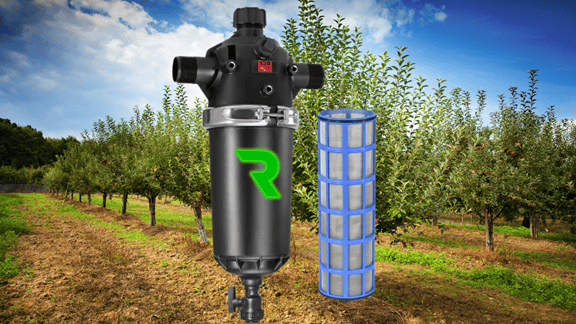
Install Disc Filters to prevent clogging in drip systems.

Hydrocyclone Filters

Hydrocyclone filters use centrifugal force to separate sand and heavy particles from irrigation water. They are highly effective for tube wells, canals, and open water sources with a high concentration of sand. These filters are usually installed as a primary filter before screen or disc filters for added protection.

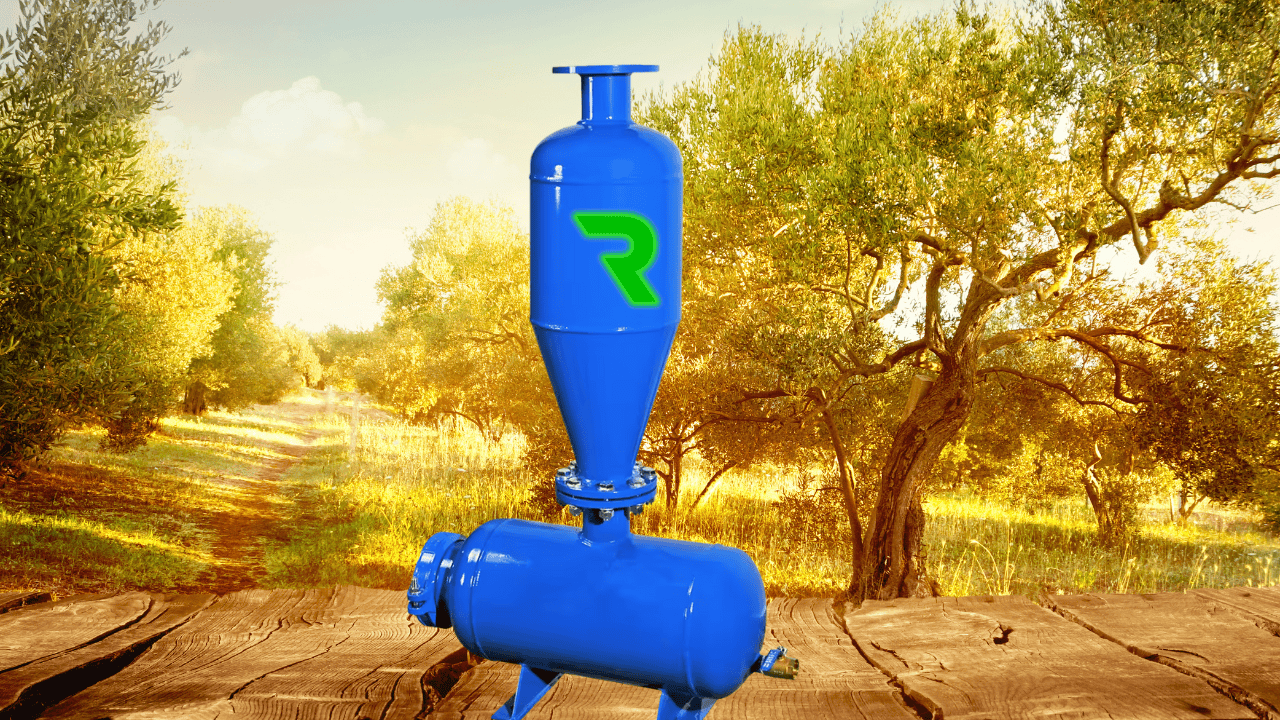
Remove sediments with Hydrocyclone Filters.

Media Filters

Media filters, also called sand filters, use layers of silica sand or gravel to filter suspended organic and inorganic particles. They are especially effective for water with high organic content such as algae and decayed plant material. Media filters are often used in large-scale drip irrigation systems, golf courses, and landscape irrigation projects.

Automatic Filters

Automatic filters are advanced irrigation filters designed for systems that require continuous operation with minimal human intervention. They use automatic backwashing or self-cleaning mechanisms to ensure uninterrupted water flow. These filters are highly recommended for large farms, commercial landscapes, and golf courses where water quality fluctuates and system downtime must be avoided.

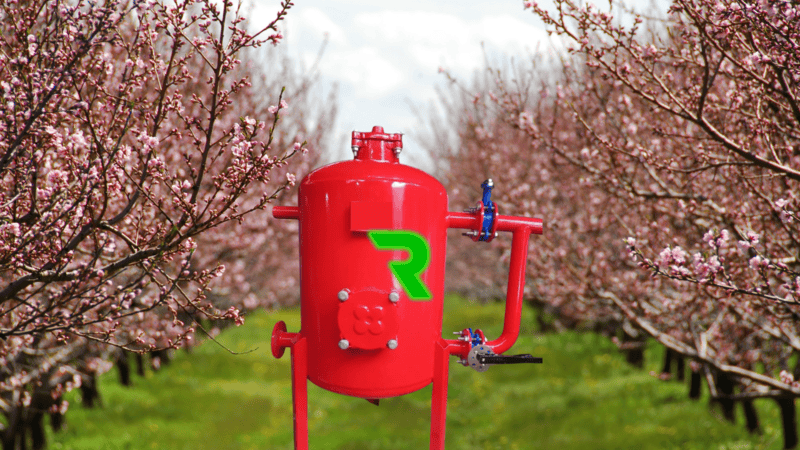
Essential pre-treatment for RO Drinking Water Systems.

Advantages and Need of Irrigation Filters

  1. Prevent clogging of drip emitters, micro sprinklers, pop up sprinklers, and gear-driven sprinklers.
  2. Ensure uniform water distribution across fields and landscapes.
  3. Increase efficiency and reliability of irrigation systems.
  4. Extend the life of irrigation equipment.
  5. Reduce maintenance costs and downtime.
  6. Improve crop yields and lawn health through consistent watering.

Why Choose Rabail Technologies for Irrigation Filters

Rabail Technologies has over 20 years of experience in designing, supplying, and installing irrigation filters across Pakistan. We provide customized filtration solutions for drip irrigation systems, sprinkler irrigation systems, golf courses, playgrounds, and agricultural fields. Our expertise, quality products, and after-sales support make us the trusted partner for efficient water management.

What Impact Can Rabail Technologies Have

By providing advanced irrigation filters, Rabail Technologies helps farmers and landscapers save water, reduce system breakdowns, and achieve higher productivity. Our solutions contribute to water conservation, improved crop yields, sustainable landscaping, and long-term system durability. With clean and filtered irrigation water, you not only protect your investment but also ensure healthier crops and greener landscapes.

Irrigation Filters FAQ

  1. What is an irrigation filter?
    An irrigation filter removes debris, silt, sand, and other particles from water before it enters the irrigation system, preventing clogging and ensuring uniform water distribution.
  2. Why are filters important in drip irrigation?
    Filters protect emitters, drip lines, and pumps from clogging, improving system efficiency and extending the life of the irrigation system.
  3. What is a disc filter and when should it be used?
    A disc filter consists of stacked plastic discs that trap fine particles. It is ideal for water with fine silt, algae, or organic matter, commonly used in drip and micro irrigation systems.
  4. What is a screen filter and when should it be used?
    A screen filter uses a mesh or perforated screen to remove medium-sized debris. It is suitable for surface water with low to moderate sediment content.
  5. What is a sand media filter and when should it be used?
    A sand media filter uses layers of sand to remove fine to medium silt and clay particles. It is ideal for turbid water from ponds, canals, or rivers.
  6. What is a hydrocyclone filter and when should it be used?
    A hydrocyclone filter removes sand and heavy particles using centrifugal force. It is suitable for water with high sand content, like borewell or river water.
  7. What is an automatic filter system?
    An automatic filter cleans itself through a backwash mechanism, ensuring continuous operation without manual intervention. It can be applied to disc, screen, or sand media filters.
  8. Which filter should be used for algae or organic debris?
    Disc filters are most effective for removing algae, plant debris, and organic matter due to their fine grooves and stacked design.
  9. Which filter is best for sand-heavy water?
    Hydrocyclone filters efficiently remove sand and heavy particles before water enters the irrigation system, reducing wear on pumps and drip lines.
  10. Which filter is suitable for pond or canal water with high silt content?
    Sand media filters are ideal for turbid water containing fine silt and clay, providing thorough filtration for drip or sprinkler systems.
  11. Which filter is suitable for clean borewell water with few impurities?
    Screen filters or small disc filters can be used for water with minimal suspended particles to protect drip emitters.
  12. Can automatic filters handle different types of impurities?
    Yes, automatic filters can be designed with disc, screen, or sand media elements to handle algae, silt, sand, or organic matter with minimal manual maintenance.
  13. Can disc filters remove very fine silt particles?
    Yes, disc filters are effective for fine silt, clay, and algae, making them suitable for recycled or surface water sources.
  14. Can screen filters remove sand?
    Screen filters remove small to medium-sized debris but may not handle high sand content efficiently. Hydrocyclone pre-filters are recommended for sand-heavy water.
  15. Can sand media filters remove algae?
    Sand media filters remove suspended solids but may be less effective for algae; a disc filter may be used as a secondary filter for organic matter.
  16. Can hydrocyclone filters remove fine silt or clay?
    Hydrocyclones are mainly for sand and heavy particles; fine silt may require additional disc or sand media filtration.
  17. Can automatic disc filters prevent clogging in drip irrigation?
    Yes, automatic disc filters remove fine particles continuously, preventing emitter clogging and ensuring uniform irrigation.
  18. Can screen filters be automatic?
    Yes, automatic screen filters flush debris using backwash mechanisms, reducing labor and maintaining water flow.
  19. Can sand media filters be automatic?
    Yes, automatic sand media filters use air or water backwash cycles to clean the sand bed without manual intervention.
  20. How do hydrocyclone filters reduce maintenance?
    Hydrocyclones separate sand and heavy particles automatically, requiring minimal manual cleaning.
  21. Which filter is best for water with mixed impurities (sand, silt, algae)?
    A combination of hydrocyclone (sand), sand media (silt), and disc filter (algae/organic matter) ensures complete filtration.
  22. How often should filters be cleaned?
    Cleaning depends on water quality and sediment load. Automatic filters backwash as needed, while manual filters may require weekly or monthly cleaning.
  23. Can filters improve crop yield?
    Yes, clean water prevents emitter clogging, ensuring uniform irrigation and nutrient delivery, which improves crop growth and yield.
  24. Can disc filters be used for recycled wastewater?
    Yes, disc filters effectively remove organic matter, algae, and fine particles from recycled water.
  25. Can screen filters be used for sprinkler irrigation?
    Yes, screen filters protect sprinkler nozzles from debris, ensuring uniform spray patterns.
  26. Can sand media filters handle high-volume irrigation systems?
    Yes, they are suitable for high-flow drip or sprinkler systems and large-scale farms.
  27. Can hydrocyclone filters prevent pump wear?
    Yes, removing sand and heavy particles reduces pump and emitter damage.
  28. Can automatic filters reduce labor costs?
    Yes, automatic backwash systems eliminate the need for daily manual cleaning.
  29. Can disc filters be used in orchards?
    Yes, they protect micro irrigation lines from fine particles and organic matter in orchard water supplies.
  30. Can screen filters be used in greenhouses?
    Yes, they are ideal for low to medium sediment water, protecting micro irrigation lines for vegetables and flowers.
  31. Can sand media filters handle river or pond water?
    Yes, sand media filters are designed to remove large amounts of silt and suspended solids from turbid water.
  32. Can hydrocyclone filters be used as a pre-filter?
    Yes, hydrocyclones remove sand before water enters disc, screen, or sand media filters.
  33. How do you know which filter is needed for your water?
    Test the water for sand, silt, organic matter, and algae content to select the appropriate filter type.
  34. Can disc filters handle algae and organic debris in recycled water?
    Yes, disc filters efficiently trap organic matter, algae, and fine particles.
  35. Can screen filters handle water with low silt?
    Yes, screen filters are cost-effective for clean water with minimal suspended solids.
  36. Can sand media filters remove fine clay particles?
    Yes, multiple sand layers capture silt and clay particles effectively.
  37. Can hydrocyclone filters remove gravel or stones?
    Hydrocyclones remove sand and medium particles, but large gravel or stones should be removed using pre-screening.
  38. Can automatic disc filters handle recycled municipal water?
    Yes, automatic disc filters clean themselves while removing fine particles and organic debris.
  39. How do you maintain sand media filters?
    Regular backwash, occasional sand replacement, and inspection of media layers maintain filtration efficiency.
  40. Can automatic filters be retrofitted?
    Yes, automatic filter systems can be added to existing drip or sprinkler irrigation networks.
  41. Can hydrocyclone filters be used for borewell water with high sand?
    Yes, hydrocyclones efficiently separate sand from groundwater before it enters the irrigation system.
  42. Can screen filters remove algae?
    Screen filters are less effective for algae; disc filters or chemical pre-treatment may be required.
  43. Can disc filters be used for micro irrigation systems?
    Yes, disc filters provide fine filtration to protect emitters and micro tubing.
  44. Can sand media filters be used for high-flow sprinkler systems?
    Yes, they handle large volumes of water while maintaining thorough filtration.
  45. Can automatic filters handle varying water pressure?
    Yes, automatic filters adjust backwash cycles based on system pressure and flow requirements.
  46. Can hydrocyclone filters improve emitter life?
    Yes, by removing abrasive sand and heavy particles, hydrocyclones reduce wear and tear on emitters.
  47. How do you select a filter for mixed impurities?
    Use a hydrocyclone for sand, sand media for silt, and disc or screen filters for organic matter and algae.
  48. Can automatic filters improve irrigation efficiency?
    Yes, consistent water quality prevents clogging, ensuring uniform water delivery and improved crop performance.
  49. Can filters be combined in series?
    Yes, combining a hydrocyclone, sand media, and disc or screen filters provides comprehensive filtration for all water types.
  50. Can automatic filters be used for fertigation?
    Yes, automatic filters maintain clean water in fertigation systems, preventing blockages and ensuring uniform nutrient delivery.